
Aluminum Wiring and Knob-and-Tube in Older Valley Homes: Repair or Rewire?
Aluminum wiring can often be made safe with approved connectors. Knob-and-tube almost always needs replacing. Here's how to tell which you have and what each fix costs.
Here's the short answer. Aluminum branch wiring can often be made safe without a full rewire, using approved repair connectors at every outlet, switch, and splice. Knob-and-tube wiring is a different story. It's old, ungrounded, and can't be brought up to modern standards, so replacing it is almost always the right move.
Both show up in the Valley. Aluminum wiring was used in many homes built from about 1965 to 1973, a stretch that includes a lot of Phoenix, Scottsdale, Tempe, and Mesa housing. Knob-and-tube is rarer here, but it still turns up in pre-1950 homes in the older central Phoenix neighborhoods. Here's how to handle each.
Why Aluminum Wiring Is a Concern
Aluminum wire itself isn't the problem. The connections are. Aluminum expands and contracts more than copper as it heats and cools, it oxidizes, and it reacts with the brass and steel in standard outlets and switches. Over years, connections loosen, resistance climbs, and the connection gets hot. That's how aluminum wiring fires start.
Warning signs: warm or discolored outlet and switch covers, flickering lights, a smell of hot plastic, or outlets that stop working for no clear reason. Phoenix heat makes the expansion cycle more extreme, so take these signs seriously.
To check, look at the panel or at wiring visible in the attic or garage. Aluminum is dull silver, and the cable jacket is often stamped "AL" or "ALUMINUM." Don't remove outlet covers on a live circuit to look. An electrical safety inspection confirms what you have.
Your Options for Aluminum Wiring
Remediation with approved connectors. A licensed electrician attaches a short copper pigtail to each aluminum wire using a connector designed and listed for aluminum-to-copper joints, such as AlumiConn connectors or COPALUM crimps. The copper then connects to the outlet or switch. This treats the weak points without opening walls. Expect roughly $1,500 to $4,500 for a typical Valley home, depending on how many connections it has.
Full rewire. Replacing all branch circuits with copper removes the issue for good. For a typical single-story Valley home of 1,500 to 2,500 square feet, a rewire usually runs $10,000 to $25,000. Single-story homes with open attics sit at the lower end, because new wire can drop from the attic with small, patchable openings.
What we don't recommend: twist-on connectors not rated for aluminum, or relying only on CO/ALR-rated devices. They handle some connections, but not splices and fixtures, so they leave gaps.
Why Knob-and-Tube Usually Means Rewire
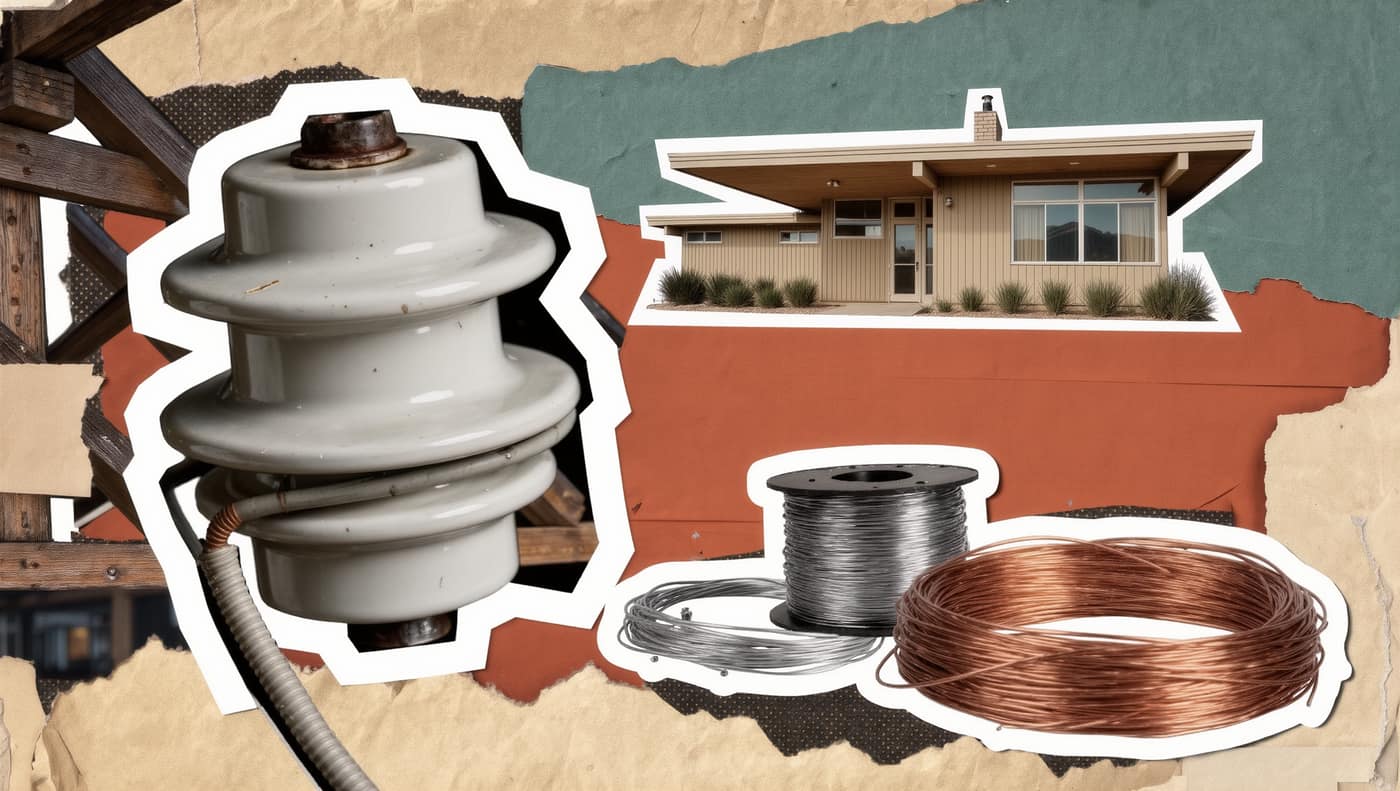
Knob-and-tube was installed before about 1950. Single wires run on ceramic knobs and pass through ceramic tubes in the framing. It has no ground wire. Its cloth and rubber insulation becomes brittle with age. It was designed to shed heat into open air, so when it's buried under modern attic insulation, as it often is, it can overheat.
Decades of DIY additions are the other problem. They're spliced into old circuits that were never built for today's loads. Most insurers won't write or renew a policy on a home with active knob-and-tube until it's replaced. Unlike aluminum, there's no connector-based repair. Replacement is the fix.
Costs follow the same pattern as an aluminum rewire. The age and construction of older homes, like plaster walls and limited attic space, can push the price higher.
What an Inspection Looks Like
A wiring assessment starts at the panel, where we identify the wire type on each circuit and look for heat damage, double-tapped breakers, and improper splices. From there, we open a sample of outlets, switches, and junction boxes around the home, and check the attic for knob-and-tube runs, old splices, and wiring buried under insulation.
We also use a thermal camera to spot connections running hotter than they should, often before there's any visible sign. You get a clear summary of what we found, photos of the problem spots, and a recommendation: remediate, rewire, or leave it alone. Each option comes with a written price. The inspection typically takes one to two hours for a single-story Valley home.
Insurance, Home Sales, and Peace of Mind
Home inspectors flag both wiring types, and buyers use them to renegotiate. Insurers increasingly ask about wiring type at renewal. Some require remediation of aluminum wiring or replacement of knob-and-tube to keep a policy active. Documented, permitted repair work answers those questions with a paper trail.
A rewire is also a natural moment for related upgrades: a modern panel, grounded outlets, AFCI and GFCI protection, and dedicated circuits for the kitchen and laundry.
Help With Older Valley Homes
We assess, remediate, and rewire older homes throughout the Valley through our wiring and rewiring service. That includes whole-home rewiring in Scottsdale, Arcadia, and aluminum wiring replacement in Chandler. You'll get a clear recommendation and a written price before any work starts.
Frequently Asked Questions
Is aluminum wiring illegal in Arizona?
No. Existing aluminum branch wiring isn't illegal, and aluminum is still used legally for larger feeders and service conductors. The concern is the small branch circuits from the 1960s and 1970s and their connections.
Can I sell a home with aluminum or knob-and-tube wiring?
Yes, but it will come up in the inspection and may affect the buyer's financing or insurance. Remediating before listing often costs less than the price reduction buyers ask for.
How long does a whole-home rewire take?
Most single-story Valley homes take about one to two weeks, including inspection. Many families stay in the home during the work, since we work room by room and restore power at the end of each day.
The Takeaway
Aluminum wiring can usually be made safe with approved connectors for a few thousand dollars. Knob-and-tube needs to be replaced. Either way, start with an inspection so you know exactly what's behind your walls.
Need a hand with this?
Wiring & Rewiring
Keep Reading
How Much Does a Whole-Home Generator Cost in Phoenix?
Most Valley homeowners spend $9,000 to $18,000 for an installed standby generator. Here's what moves the number, and how to get AC-level backup without overbuying.
Read more
Breaker Keeps Tripping and Won't Reset? What It Means and What to Do Tonight
A breaker that trips the instant you reset it is telling you something specific. Here's how to read it, what you can safely try, and when to stop and call.
Read more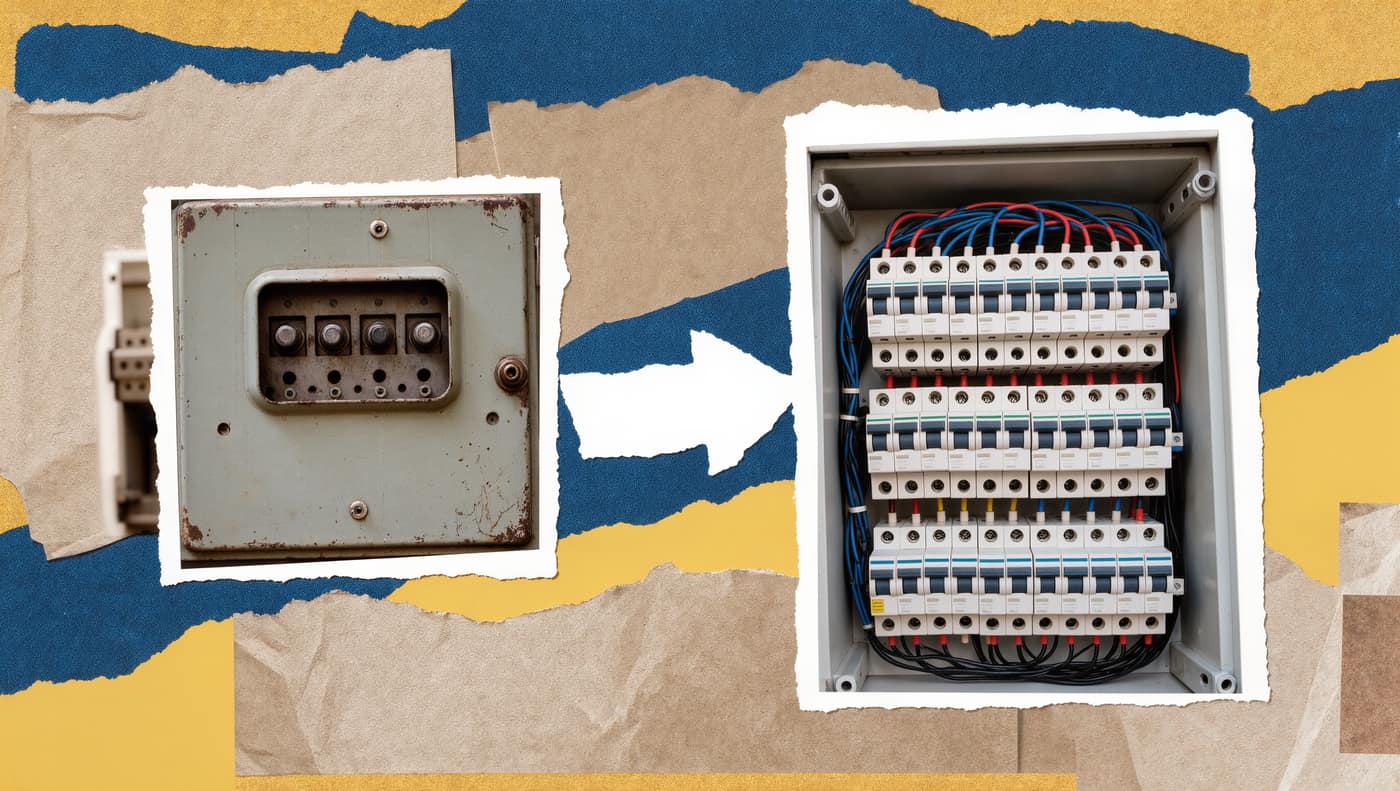
Electrical Panel Upgrade Cost in Phoenix: 100A vs. 200A (2026)
A same-size panel swap runs about $2,000–$4,000. Moving from 100 to 200 amps is usually $3,500–$6,500. Here's what you're paying for and how to tell which you need.
Read moreReady When You Are
Free estimates, upfront pricing, and licensed electricians who show up on time. Let's get it handled.