
Breaker Keeps Tripping and Won't Reset? What It Means and What to Do Tonight
A breaker that trips the instant you reset it is telling you something specific. Here's how to read it, what you can safely try, and when to stop and call.
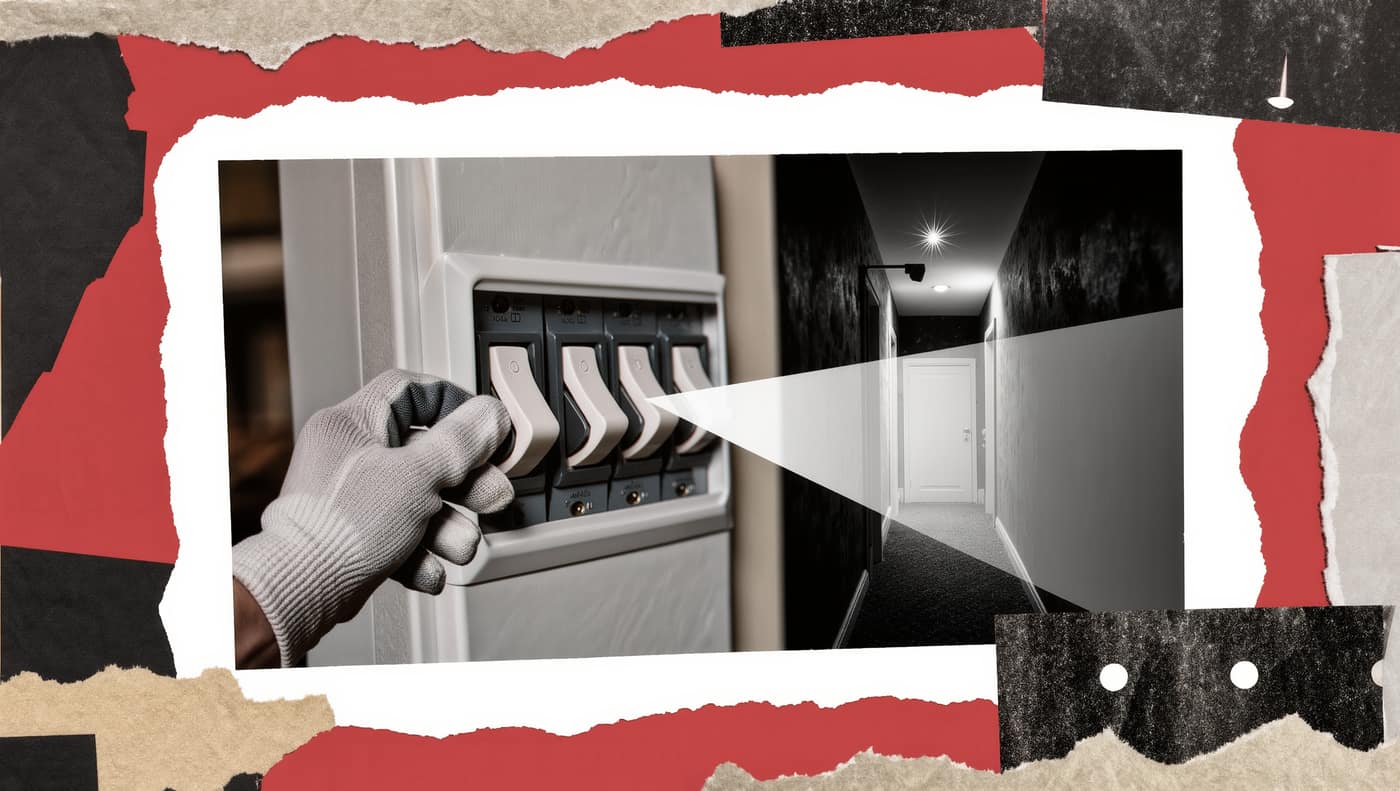
If a breaker trips again the moment you reset it, there's almost always a short circuit or ground fault on that circuit, or the breaker itself has failed. It's doing its job: cutting power to a problem. Don't keep forcing it back on. Repeated resets into a fault can damage wiring, the breaker, and the panel.
The good news is that a few safe checks tonight will usually tell you which problem you have. That tells you whether it can wait until morning or needs someone now.
First: Is This an Emergency?
Stop and call for emergency electrical service if you notice any of these: a burning or hot-plastic smell, a panel or breaker that feels hot to the touch, scorch marks, buzzing or crackling from the panel, or smoke. If the panel is safe to approach, switch off the main breaker. If anything is smoking or sparking, get everyone out and call 911.
No smell, no heat, no noise? Then you can work through the steps below.
Safe Steps to Try Tonight
1. Reset it correctly. A tripped breaker usually rests in the middle position. Push the handle firmly all the way to OFF until it clicks, then back to ON. Many "won't reset" calls are breakers that were never pushed fully to OFF first.
2. Unplug everything on that circuit. Turn off lights and unplug every device on the dead outlets, including chargers, power strips, and appliances. Then reset the breaker again.
3. Watch what happens. If it holds with everything unplugged, plug things back in one at a time. The device that trips it is your culprit. Space heaters, hair dryers, microwaves, and old vacuums are common offenders. If it trips again with nothing plugged in, the fault is in the wiring, an outlet, a switch, or a fixture. Leave it off and call.
4. Check for a GFCI outlet. Kitchens, baths, garages, laundry rooms, and outdoor circuits often run through a GFCI outlet with TEST and RESET buttons, sometimes in another room. A tripped GFCI can make a circuit look dead even when the breaker is fine.
5. Look at the breaker type. If the breaker has its own TEST button, it's an AFCI or dual-function breaker. It may be catching an arc fault, like a damaged cord or a loose connection, rather than an overload. Our guide to GFCI vs. AFCI protection explains the difference.
What Each Pattern Usually Means
Trips instantly every time, even with everything unplugged: a short circuit or ground fault in the wiring or a device on the circuit. This needs a diagnosis, not more resets.
Trips after running a while, often with the AC or a space heater on: an overloaded circuit. Too much is plugged into one circuit, and the fix may be a new dedicated circuit.
Handle feels loose, won't latch, or flips right back without resistance: the breaker has worn out internally and needs replacement.
Trips when it rains or after irrigation runs: water in an outdoor outlet, light, or buried line. This is common after monsoon storms.
Old panel with breakers that are hard to find: if your panel is Federal Pacific, Zinsco, or Challenger, replacement breakers are scarce and the panel itself may be the problem. See the panel brands that quietly fail.
What a Repair Typically Costs
For planning in the Phoenix area: diagnosing a tripping circuit usually runs $150 to $400, depending on how hard the fault is to find. Replacing a standard breaker typically costs $150 to $350 installed. AFCI and GFCI breakers cost more, often $200 to $450, because the breakers themselves are pricier.
Repairing a damaged outlet, switch, or splice is usually a modest add-on once the fault is found. If the panel is obsolete or damaged, a panel replacement is the long-term fix. We'll tell you plainly whether you need one. You approve a written price before any work starts.
How to Keep It From Coming Back
Once the fault is fixed, a few habits keep a circuit from tripping again. Don't run two high-draw appliances, like a space heater and a hair dryer, on the same circuit. Replace cords with cracked jackets or loose plugs. Keep outdoor outlets covered with in-use covers so monsoon rain stays out.
If one circuit trips again and again under normal use, it's probably serving too much. Kitchens, home offices, and garages in older Valley homes often share a single circuit. A new dedicated circuit for the microwave, the gym equipment, or the garage freezer solves that for good.
Same-Day Help Across the Valley
Our electrical repair team handles tripping breakers and breaker replacement every day, with same-day appointments when we can and 24/7 response for real hazards. That includes breaker replacement in Chandler, Phoenix, and Mesa. For worn or failed breakers specifically, see our circuit breaker repair and replacement service.
Frequently Asked Questions
Is it dangerous to keep resetting a breaker?
Yes. Each reset into a short sends a burst of fault current through the wiring and breaker. One or two careful resets are fine. If it keeps tripping, leave it off until the cause is found.
Can a breaker just go bad?
Yes. Breakers wear out, especially ones that have tripped many times or sit in a hot Phoenix garage panel. A worn breaker may trip at lower loads than it should or fail to latch at all.
Can I leave the circuit off overnight?
In most cases, yes. A circuit that's off is safe. Move essentials like the fridge or medical equipment to a working circuit with a properly rated cord, and call in the morning. If the AC breaker is the one tripping during extreme heat, call right away.
The Takeaway
A breaker that won't stay on is protecting you from something. Reset it properly once, unplug the circuit, and if it still trips or you smell burning, leave it off and call an electrician.
Need a hand with this?
Electrical Repair
Keep Reading
How Much Does a Whole-Home Generator Cost in Phoenix?
Most Valley homeowners spend $9,000 to $18,000 for an installed standby generator. Here's what moves the number, and how to get AC-level backup without overbuying.
Read more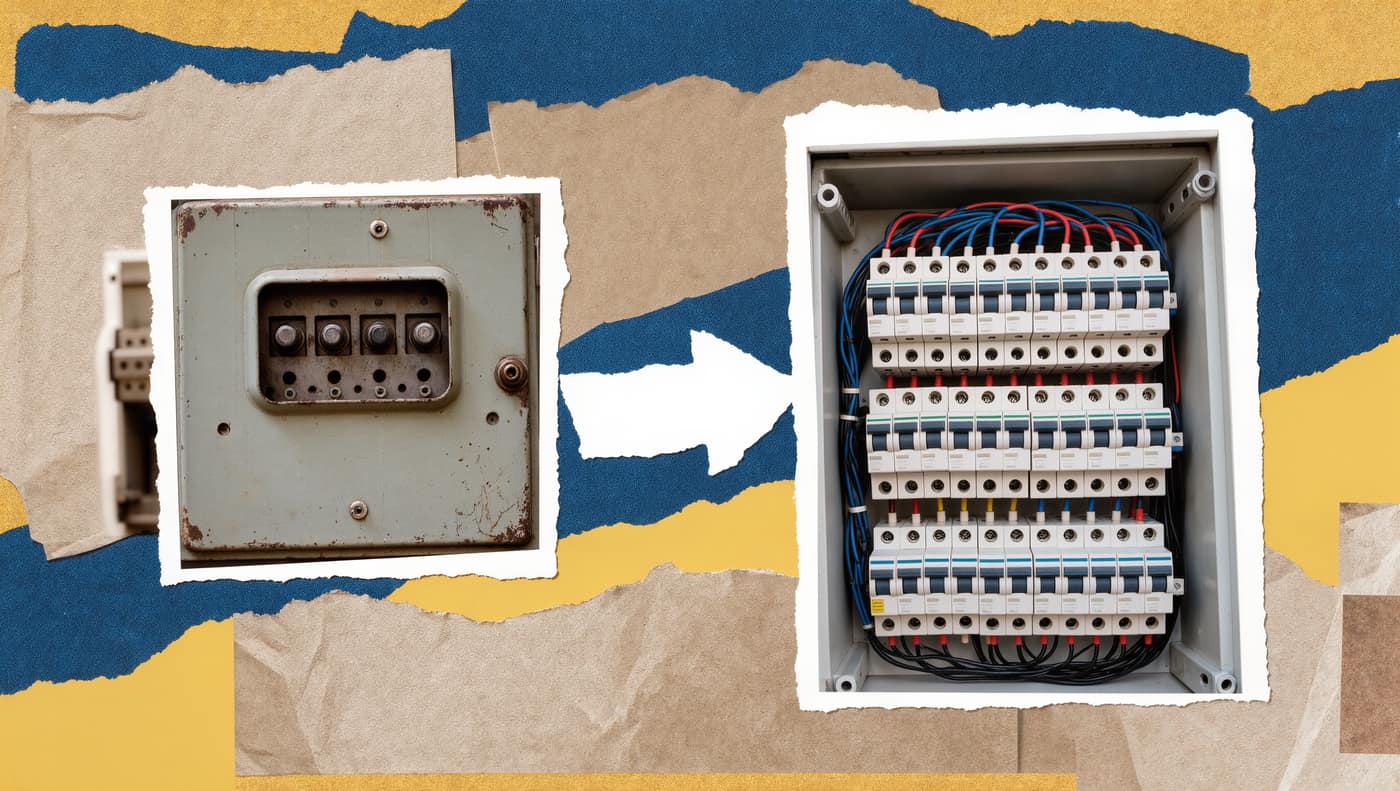
Electrical Panel Upgrade Cost in Phoenix: 100A vs. 200A (2026)
A same-size panel swap runs about $2,000–$4,000. Moving from 100 to 200 amps is usually $3,500–$6,500. Here's what you're paying for and how to tell which you need.
Read more
Tesla Wall Connector Installation Cost — and What Drives the Price
Most Phoenix-area Wall Connector installs cost $600–$1,500 in labor and materials. A long wire run or a full panel can change that. Here's how to know where you'll land.
Read moreReady When You Are
Free estimates, upfront pricing, and licensed electricians who show up on time. Let's get it handled.