
How Much Does a Whole-Home Generator Cost in Phoenix?
Most Valley homeowners spend $9,000 to $18,000 for an installed standby generator. Here's what moves the number, and how to get AC-level backup without overbuying.
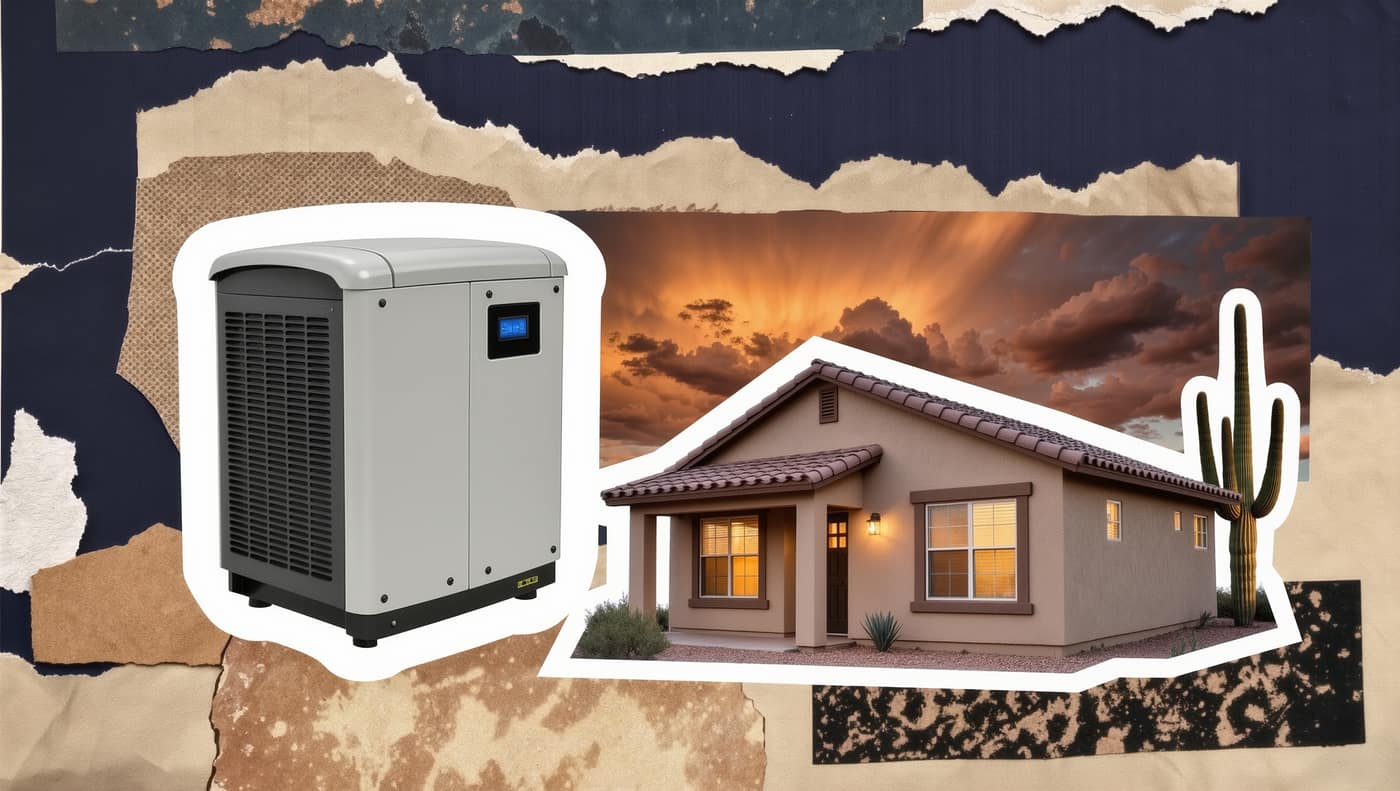
Short answer: an installed whole-home standby generator in the Phoenix area usually costs between $9,000 and $18,000. That covers an air-cooled unit in the 18–26 kW range, an automatic transfer switch, the concrete or composite pad, the fuel connection, the permit, and startup. Large homes that need a liquid-cooled 30–48 kW unit to carry two or three AC systems can run $20,000 to $30,000 or more.
The equipment is only about half of that number. The rest is the work that makes a generator start by itself when the grid drops and carry your air conditioner through a July outage. That's the part worth understanding before you compare quotes.
Typical Installed Cost Ranges
Essentials backup, 10–14 kW air-cooled: about $7,000 to $11,000 installed. It runs the fridge, lights, internet, the garage door, and one smaller AC system with a soft-start kit. It's a solid choice for a condo-sized or efficient single-story home.
Whole-home backup, 18–26 kW air-cooled: about $9,000 to $18,000 installed. This is where most Valley homes land. A 24 or 26 kW unit with load management can run a 4- or 5-ton AC system plus the rest of the house.
Large-home backup, 30–48 kW liquid-cooled: about $20,000 to $30,000 or more. These are for big homes with multiple AC systems, a pool, and no interest in turning anything off.
These are planning numbers, not a quote. A site visit, a load calculation, and a look at your panel and fuel source turn them into a firm price.
Five Things That Drive the Price
1. Your air conditioner. In Phoenix, the AC sets the generator size. A compressor pulls several times its running current for a split second at startup, and the generator has to absorb that surge. A soft-start kit on the condenser cuts that inrush sharply. It often lets you step down a full generator size and save thousands.
2. Fuel. Natural gas is the easiest: if your home already has a gas meter, we tie in with a properly sized line. Many Valley homes are all-electric, though. Those need a propane tank, which adds the tank (owned or leased), a pad, and the gas line run. Propane also means planning for refills during long outages.
3. The transfer switch. An automatic transfer switch watches utility power. When it drops, the switch starts the generator and moves your home over in seconds. A whole-home service-rated switch costs more than an essentials-only switch, but it backs up every circuit without a separate subpanel.
4. Distance and placement. The generator has to sit a code-required distance from windows, doors, and vents. Long runs of wire and gas pipe from the pad to the panel and the meter add labor and material. Tight side yards and block walls can complicate access.
5. Your panel. If your panel is full, failing, or one of the brands with a bad track record, it may need attention first. Some installs pair naturally with a panel upgrade.
What to Expect From the Install
Most standby installs follow the same path. We start with a site visit and load calculation. Then comes the permit, which in Tempe, Mesa, Phoenix, and most Valley cities includes plan review for the gas and electrical work. Next we set the pad and the unit, wire the transfer switch, and connect fuel. Finally we start the unit, test the switchover, and walk you through it.
The on-site work usually takes one to three days. Permits and equipment lead times set the overall calendar, so starting in spring beats starting the week a monsoon outage hits.
Once it's in, the generator runs a short self-test every week and alerts you if something needs attention. An annual generator maintenance visit covers the oil, filters, battery, and a full load test. That keeps it ready for the one night you need it.
Do You Really Need Whole-Home Backup?
Not always. If outages at your address are rare and short, a smaller essentials system or a portable generator with a code-compliant inlet and interlock may cover you for far less. We break down that trade-off in standby vs. portable generators in Arizona heat.
Whole-home backup earns its cost when someone in the house depends on medical equipment, when you work from home, when you have pets or older family members who can't ride out a hot house, or when you're simply done gambling on summer outages.
Local Help in Tempe, Mesa, and Across the Valley
We size, permit, and install standby generators throughout the East Valley and metro Phoenix. That includes backup generator installation in Tempe, generator installation in Mesa, and Chandler. Every quote is written and flat-rate before work starts. For offices, retail, and other businesses, see our commercial backup generator service.
Ready for real numbers? Start with a generator installation estimate. We'll size the system to your AC and your budget, not to the biggest unit on the truck.
Frequently Asked Questions
Does a generator need a permit in Phoenix-area cities?
Yes. Standby generators need electrical and, for gas units, fuel-gas permits in Phoenix, Tempe, Mesa, and nearly every Valley city. A licensed installer pulls them and schedules the inspections. Unpermitted generators can cause trouble with insurance claims and home sales.
Can a generator run my central AC?
Yes, if it's sized for it. Most 3- to 5-ton systems run comfortably on a 22–26 kW unit, and a soft-start kit can make a smaller generator work. A load calculation confirms it before you buy.
How long will a standby generator run during an outage?
On natural gas, it runs as long as the gas supply holds, often days. On propane, runtime depends on tank size and load. A 500-gallon tank typically carries a mid-size home for several days of heavy AC use.
Is a home battery a better option?
Home battery backup is quiet and pairs well with solar. Carrying a large AC load for a long outage, though, takes multiple batteries and often costs more than a generator. Some homes use both: a battery for short blips and a generator for long outages.
The Takeaway
Plan on $9,000–$18,000 for most Phoenix-area standby generators. Size it to your AC, use a soft-start kit to avoid overbuying, and get a load calculation before you compare quotes.
Need a hand with this?
Generator Installation
Keep Reading
Breaker Keeps Tripping and Won't Reset? What It Means and What to Do Tonight
A breaker that trips the instant you reset it is telling you something specific. Here's how to read it, what you can safely try, and when to stop and call.
Read more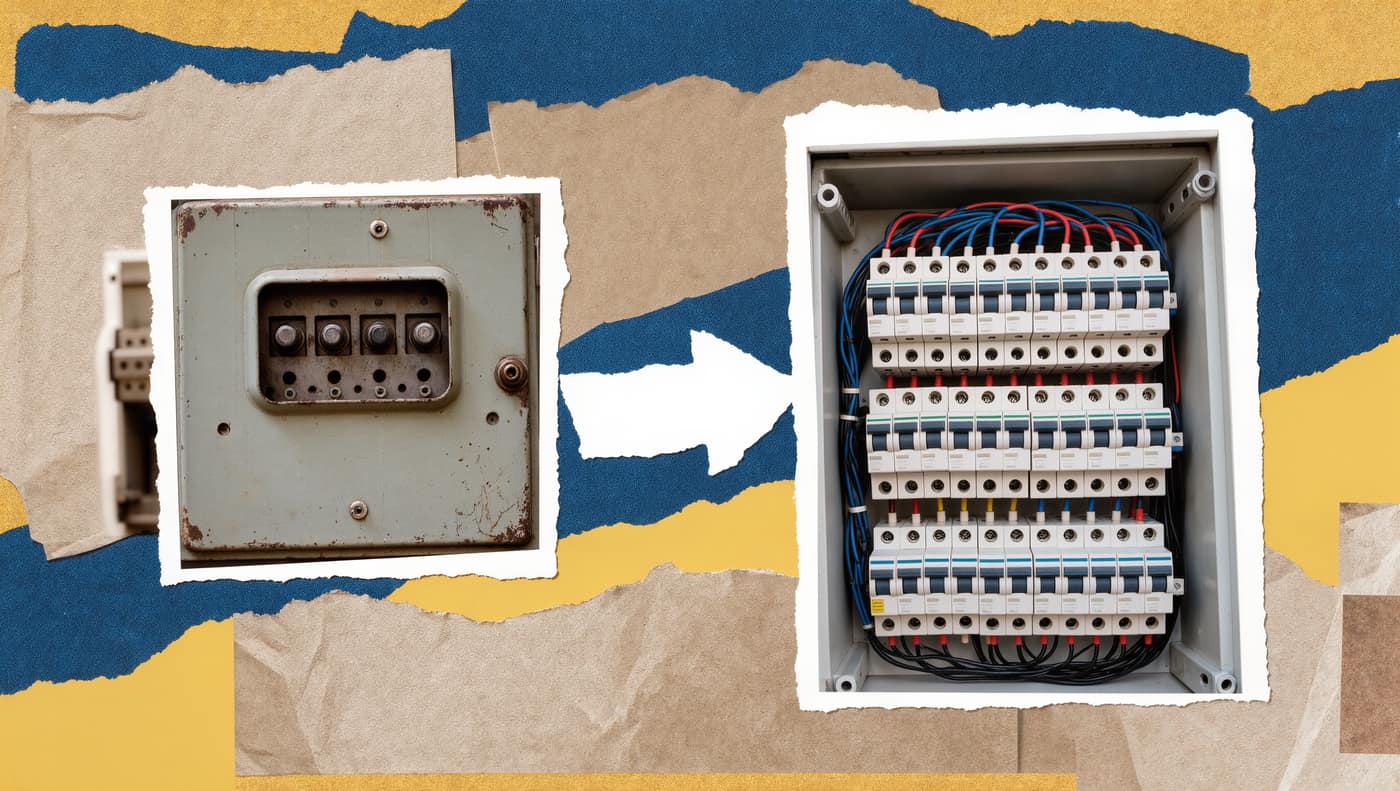
Electrical Panel Upgrade Cost in Phoenix: 100A vs. 200A (2026)
A same-size panel swap runs about $2,000–$4,000. Moving from 100 to 200 amps is usually $3,500–$6,500. Here's what you're paying for and how to tell which you need.
Read more
Tesla Wall Connector Installation Cost — and What Drives the Price
Most Phoenix-area Wall Connector installs cost $600–$1,500 in labor and materials. A long wire run or a full panel can change that. Here's how to know where you'll land.
Read moreReady When You Are
Free estimates, upfront pricing, and licensed electricians who show up on time. Let's get it handled.