
Electrical Panel Upgrade Cost in Phoenix: 100A vs. 200A (2026)
A same-size panel swap runs about $2,000–$4,000. Moving from 100 to 200 amps is usually $3,500–$6,500. Here's what you're paying for and how to tell which you need.
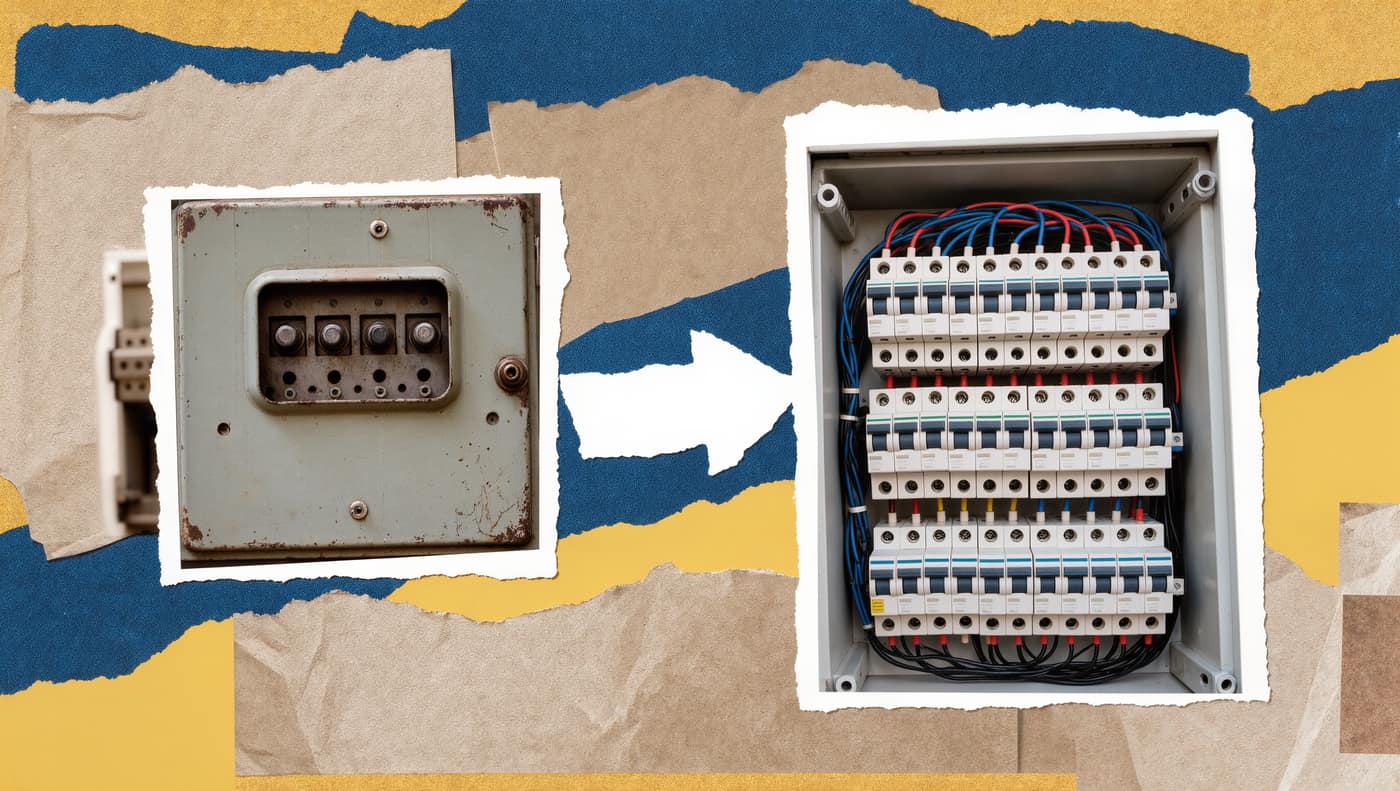
Here's the 2026 short answer for the Phoenix area. Replacing a panel at the same amperage typically costs $2,000 to $4,000. Upgrading from 100-amp to 200-amp service usually runs $3,500 to $6,500. Large homes moving to 400-amp service, often for EV charging, a pool, and multiple AC systems, generally run $6,500 to $12,000 or more.
The spread comes from what's behind the panel: the meter, the service conductors, the utility work, and how much of the home's wiring needs to be reconnected to code. Here's how it breaks down.
Panel Replacement vs. Service Upgrade
A panel replacement swaps an old or unsafe panel for a new one at the same capacity. It's the right move for a failing panel, a recalled brand, or a panel that's simply out of breaker spaces.
A service upgrade increases the total power your home can draw, for example from 100 to 200 amps. That usually means a new meter-main combination, the outdoor box that holds your meter and main breaker on most Valley homes. It may also mean heavier service-entrance conductors and coordination with APS or SRP to disconnect and reconnect power.
Typical Phoenix-Area Costs in 2026
Same-amperage panel replacement: $2,000 to $4,000. It costs more for interior subpanels in finished walls or panels that need extensive rewiring at the terminations.
100A to 200A service upgrade: $3,500 to $6,500. This is the most common upgrade for 1970s and 1980s Valley homes adding EV charging, a heat pump, or a remodel.
200A to 400A (320A continuous) service: $6,500 to $12,000 or more. It's for large homes with multiple AC systems, pool equipment, EV charging, and big future plans.
Common add-ons: replacing a damaged meter base, upgrading grounding and bonding to current code, adding whole-home surge protection (often required with new service equipment), and patching stucco. These are planning numbers. A site visit turns them into a written, flat-rate quote.
Do You Need 100 or 200 Amps?
100 amps can still work for a smaller home with gas heating, gas cooking, and a single modest AC system. Most all-electric Valley homes have outgrown it, though. A 4- or 5-ton AC, an electric range, an electric dryer, a water heater, and a pool pump add up fast. One EV charger can push a 100-amp service past its limit.
200 amps is the modern standard and the right fit for most single-family homes in Phoenix, Chandler, Scottsdale, and across the Valley. It leaves room for a Level 2 EV charger and future upgrades.
The honest way to decide is a load calculation. It's a standardized method that adds up your actual appliances and climate loads to show what your service really needs. Sometimes the answer is that you don't need a bigger service at all. A load-management device can share capacity between an EV charger and other large loads for far less than a service upgrade.
Signs Your Panel Is Due
Your panel is Federal Pacific, Zinsco, or Challenger. See why those brands are a concern.
Breakers trip often, feel warm, or the panel buzzes.
Lights dim hard when the AC starts. We explain that in why your lights dim when the AC kicks on.
There are no open spaces, or you see doubled-up wires and tandem breakers everywhere.
You're adding an EV charger, a pool, a casita, a heat pump, or a kitchen remodel.
Rust or corrosion shows on the outdoor meter-main. Monsoon moisture and sun damage take a toll on older equipment.
Ways to Keep the Cost Down
Bundle the work. If you're planning an EV charger, a generator, or a remodel, doing it with the panel job avoids paying for a second permit, a second utility disconnect, and a second round of stucco patching.
Ask about load management before you jump a size. Smart circuit controllers and EV chargers with built-in load sharing can avoid a service upgrade entirely in some homes.
Get a written, itemized quote. You should see the panel, the meter-main, grounding, permits, and patching listed separately, so you can compare bids line by line instead of guessing.
What to Expect on Upgrade Day
A typical residential panel swap takes 4 to 8 hours on site. Service upgrades can run a full day, depending on utility scheduling. Before that day, we handle the permit and coordinate the disconnect with your utility. After the work, a city inspector signs off and the utility restores permanent power.
Plan for the power to be off most of the day. In summer, we schedule early-morning starts so your AC is back on before the worst heat. Every circuit gets labeled when we're done.
Panel Upgrades Across the Valley
We handle panel upgrades and replacements across metro Phoenix, including panel upgrades in Chandler, Scottsdale, and Phoenix. You get a free assessment and a written, flat-rate quote before any work begins.
Frequently Asked Questions
Does a panel upgrade need a permit?
Yes. Panel replacements and service upgrades require a permit and inspection in every Valley city. Your utility also requires the inspection before it reconnects permanent power.
Will a new panel lower my electric bill?
Not directly. A panel doesn't use energy. It does make your system safer, cut nuisance trips, and let you add efficient equipment like heat pumps, EV charging on time-of-use rates, and smart load controls.
Can I add an EV charger without upgrading?
Often, yes. A load calculation may show room on your existing service, or a load-management device can share capacity. We check that first before recommending a service upgrade.
Is a 200-amp panel upgrade worth it when selling a home?
Usually. Buyers and inspectors flag undersized and recalled panels, and some insurers won't cover certain brands. A modern, labeled 200-amp panel removes an easy negotiating point.
The Takeaway
Budget $2,000–$4,000 for a same-size panel swap and $3,500–$6,500 to go from 100 to 200 amps. Get a load calculation first. Sometimes the right answer is load management, not a bigger service.
Need a hand with this?
Electrical Panel Upgrades & Replacement
Keep Reading
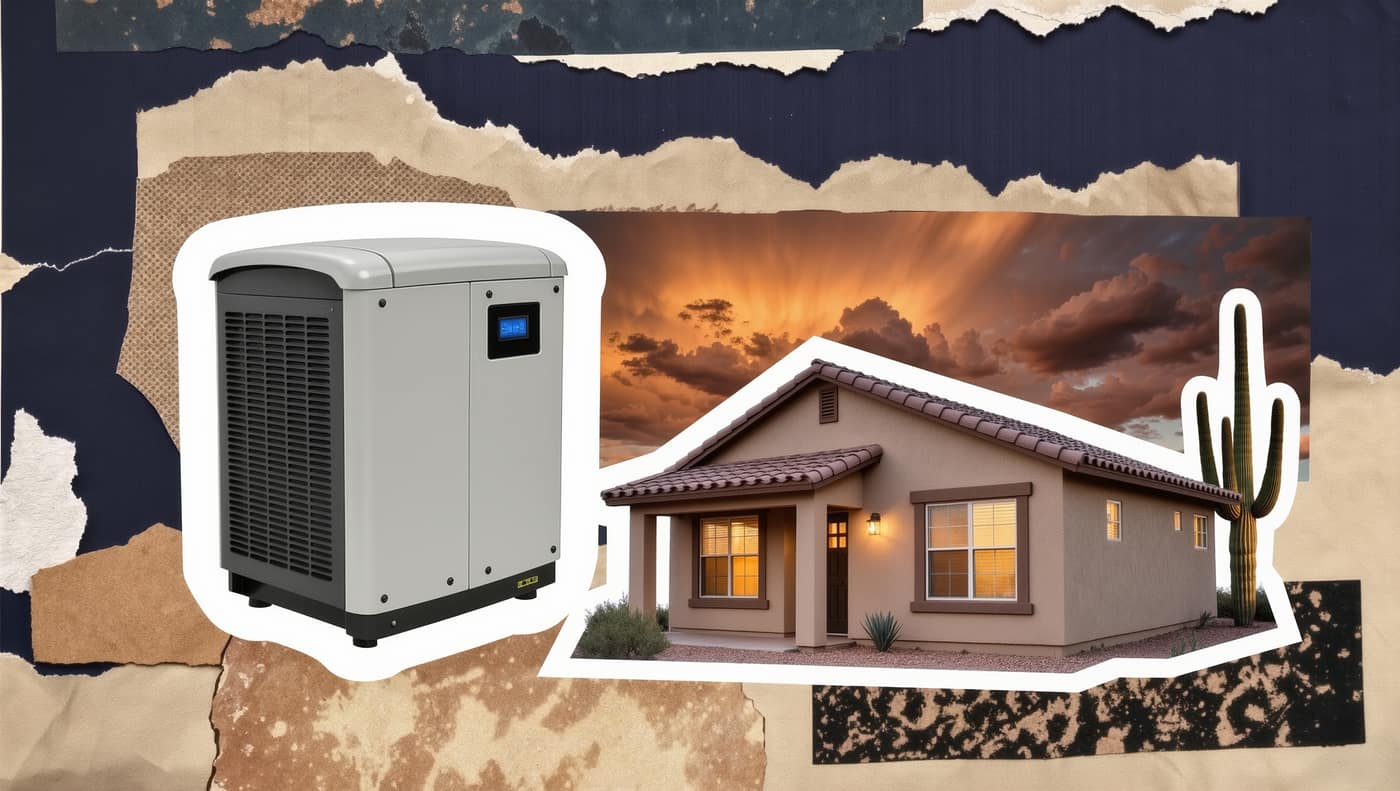
How Much Does a Whole-Home Generator Cost in Phoenix?
Most Valley homeowners spend $9,000 to $18,000 for an installed standby generator. Here's what moves the number, and how to get AC-level backup without overbuying.
Read more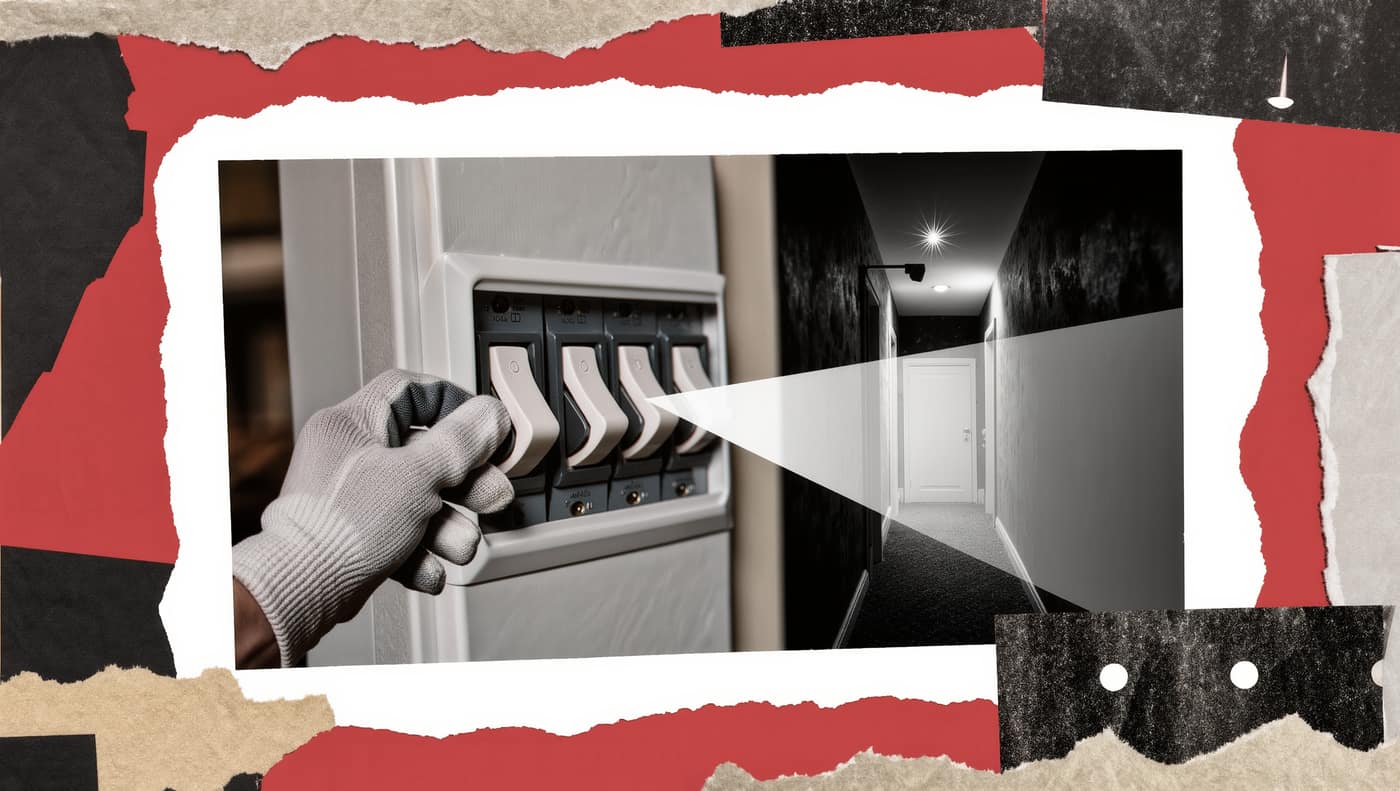
Breaker Keeps Tripping and Won't Reset? What It Means and What to Do Tonight
A breaker that trips the instant you reset it is telling you something specific. Here's how to read it, what you can safely try, and when to stop and call.
Read more
Tesla Wall Connector Installation Cost — and What Drives the Price
Most Phoenix-area Wall Connector installs cost $600–$1,500 in labor and materials. A long wire run or a full panel can change that. Here's how to know where you'll land.
Read moreReady When You Are
Free estimates, upfront pricing, and licensed electricians who show up on time. Let's get it handled.