
Tesla Wall Connector Installation Cost — and What Drives the Price
Most Phoenix-area Wall Connector installs cost $600–$1,500 in labor and materials. A long wire run or a full panel can change that. Here's how to know where you'll land.
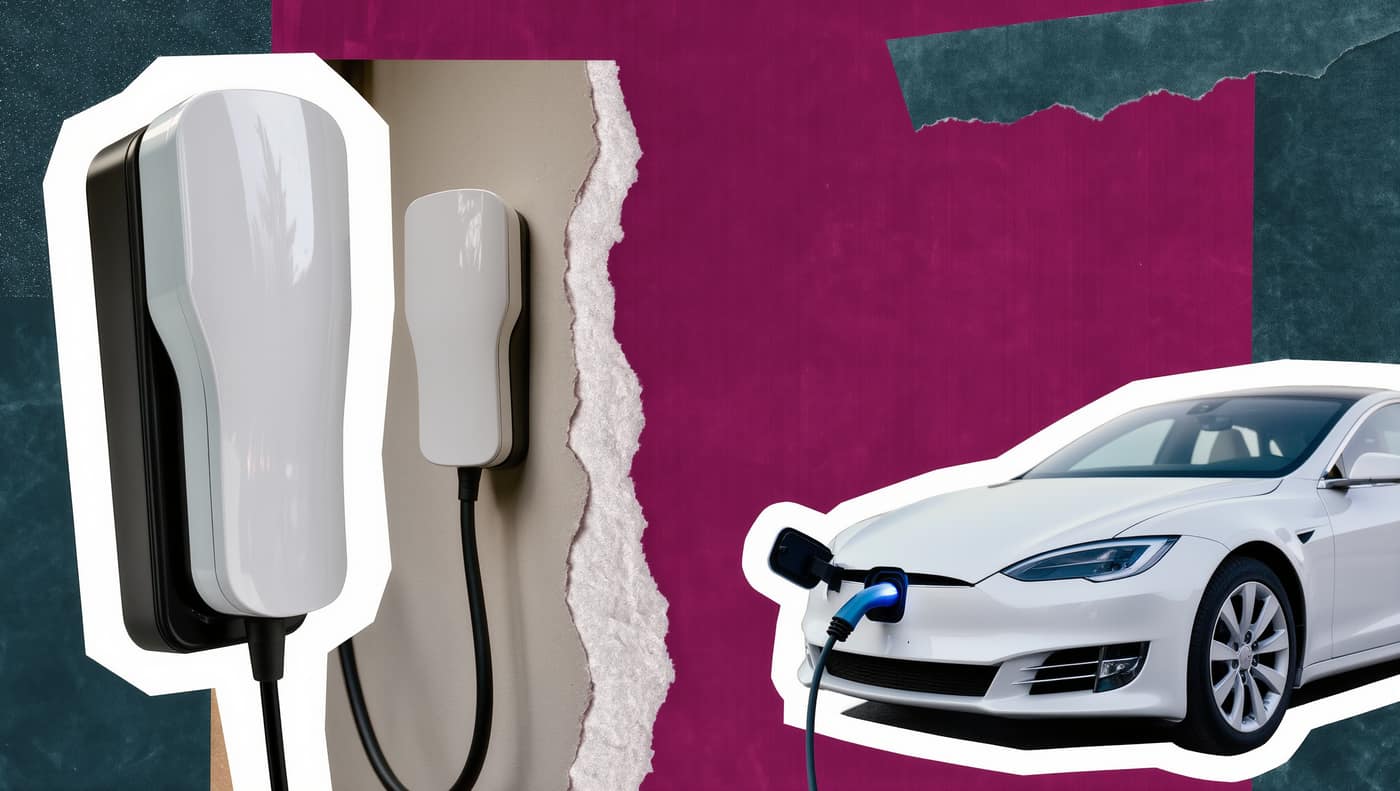
For most Valley homes, installing a Tesla Wall Connector costs $600 to $1,500 in labor and materials, plus the connector itself. That covers a new 240-volt circuit from your panel to the garage, the breaker, the wire, mounting, a permit, and commissioning the unit on your Wi-Fi.
Installs on the low end are short and simple: the panel is in or next to the garage and has room for a 60-amp breaker. Costs rise with distance, a full or undersized panel, a detached garage, or an outdoor mount. Here's what moves the number and how to keep it reasonable.
Typical Price Ranges
Simple install, panel in or beside the garage: about $600 to $1,000. This is the most common setup in newer Chandler and Gilbert homes, where the panel often sits on the garage's exterior wall.
Moderate install, longer run through the attic or around the home: about $1,000 to $1,500. Expect this when the panel is on the opposite side of the house or the run needs conduit on exterior stucco.
Complex install: $1,500 to $3,000 or more. That includes detached garages, trenching to a carport or RV pad, or installs that need a subpanel.
Panel or service upgrade needed: add roughly $2,000 to $6,500, depending on whether it's a panel swap or a full 100-to-200-amp service upgrade. We cover that in our panel upgrade cost guide.
What Actually Drives the Price
Distance from the panel. Copper wire sized for 48 amps of continuous charging is heavy and expensive. Every extra foot adds material, and runs through a hot Phoenix attic take more labor. A short, direct path is the single biggest money saver.
Panel capacity. A Wall Connector at full speed needs a 60-amp, 240-volt circuit. If your panel is full or your service is already near its limit, we have options. We can install a smaller breaker, use the connector's power-sharing or load-management settings, or upgrade the panel. A load calculation tells us which is right.
Charging amperage. You don't have to install at the maximum. A 40-amp circuit charging at 32 amps still adds roughly 25–30 miles of range per hour, enough to refill a typical daily commute in a couple of hours. Choosing a lower amperage can avoid a panel upgrade entirely.
Mounting location and walls. Interior garage walls are easiest. Exterior mounts on stucco or block walls need weather-rated conduit and fittings, and parking-lot-style pedestals cost more.
Permit and inspection. Valley cities require a permit for a new EV circuit. It adds a modest cost and protects you at resale and with your insurer.
Wall Connector vs. the Mobile Connector
The Mobile Connector that comes with many Teslas can plug into a 240-volt NEMA 14-50 outlet. That's a fine option, and it often costs about the same to install as a hardwired Wall Connector. The hardwired Wall Connector charges faster, up to 48 amps vs. 32. It also has no plug or outlet to wear out under daily charging, and it can share power between two Teslas on one circuit.
If you're weighing an outlet instead, read do you need a 240V outlet? first. Not every outlet is built for hours of continuous EV charging.
What to Expect on Install Day
Most installs take two to four hours. We confirm the location and charging amperage with you, run and secure the circuit, mount the connector at the right height for your cable reach, set its internal amperage to match the breaker, and connect it to the Tesla app. Then we plug in your car and confirm it's charging at the expected rate. Inspection follows on the city's schedule.
How fast will it charge? On a 60-amp circuit, a Wall Connector adds up to about 44 miles of range per hour on many Tesla models. See how fast a Level 2 charger really charges for the full breakdown.
Ways to Save on Your Install
Mount it close to the panel. If your panel is on the garage wall, putting the connector on that same wall, or the nearest wall that reaches your charge port, can cut the cost noticeably.
Right-size the amperage. Most Valley commutes don't need 48 amps. A 40- or 50-amp circuit is cheaper to run and easier on your panel, and it still refills your battery overnight with plenty to spare.
Plan for the second EV now. If another electric car is likely in the next few years, size the circuit and placement for power sharing today. Adding it later costs less.
Charge on a time-of-use plan. APS and SRP both offer plans with cheaper overnight rates. Schedule charging in the Tesla app to start after the peak window ends.
Tesla Wall Connector Installation Near You
We install Wall Connectors across the Valley, including Tesla charger installation in Chandler, Gilbert, and Scottsdale. Driving something other than a Tesla? Our EV charger installation covers every brand.
Get a written, flat-rate price for your garage with a Tesla Wall Connector installation estimate.
Frequently Asked Questions
Does Tesla install the Wall Connector?
No. You buy the Wall Connector from Tesla, and a licensed electrician installs it. Tesla recommends a qualified electrician and a permitted install.
Do I need a 200-amp panel for a Tesla charger?
Not necessarily. Many homes with 125- or 150-amp service can support a Wall Connector at a reduced amperage or with load management. A load calculation is the only reliable answer.
Can I install a Wall Connector outside?
Yes. The Wall Connector is rated for outdoor use. Exterior installs need weather-rated conduit and fittings, and we pick a spot that limits direct afternoon sun on the cable where possible.
Can two Teslas share one Wall Connector circuit?
Yes. With power sharing, two or more Wall Connectors can split one circuit's capacity, so you add a second charger without a second large breaker.
The Takeaway
Plan on $600–$1,500 for a typical Wall Connector install. Keep the run short, choose the amperage you actually need, and get a load calculation before anyone quotes you a panel upgrade.
Need a hand with this?
Tesla Wall Connector Installation
Keep Reading
How Much Does a Whole-Home Generator Cost in Phoenix?
Most Valley homeowners spend $9,000 to $18,000 for an installed standby generator. Here's what moves the number, and how to get AC-level backup without overbuying.
Read more
Breaker Keeps Tripping and Won't Reset? What It Means and What to Do Tonight
A breaker that trips the instant you reset it is telling you something specific. Here's how to read it, what you can safely try, and when to stop and call.
Read more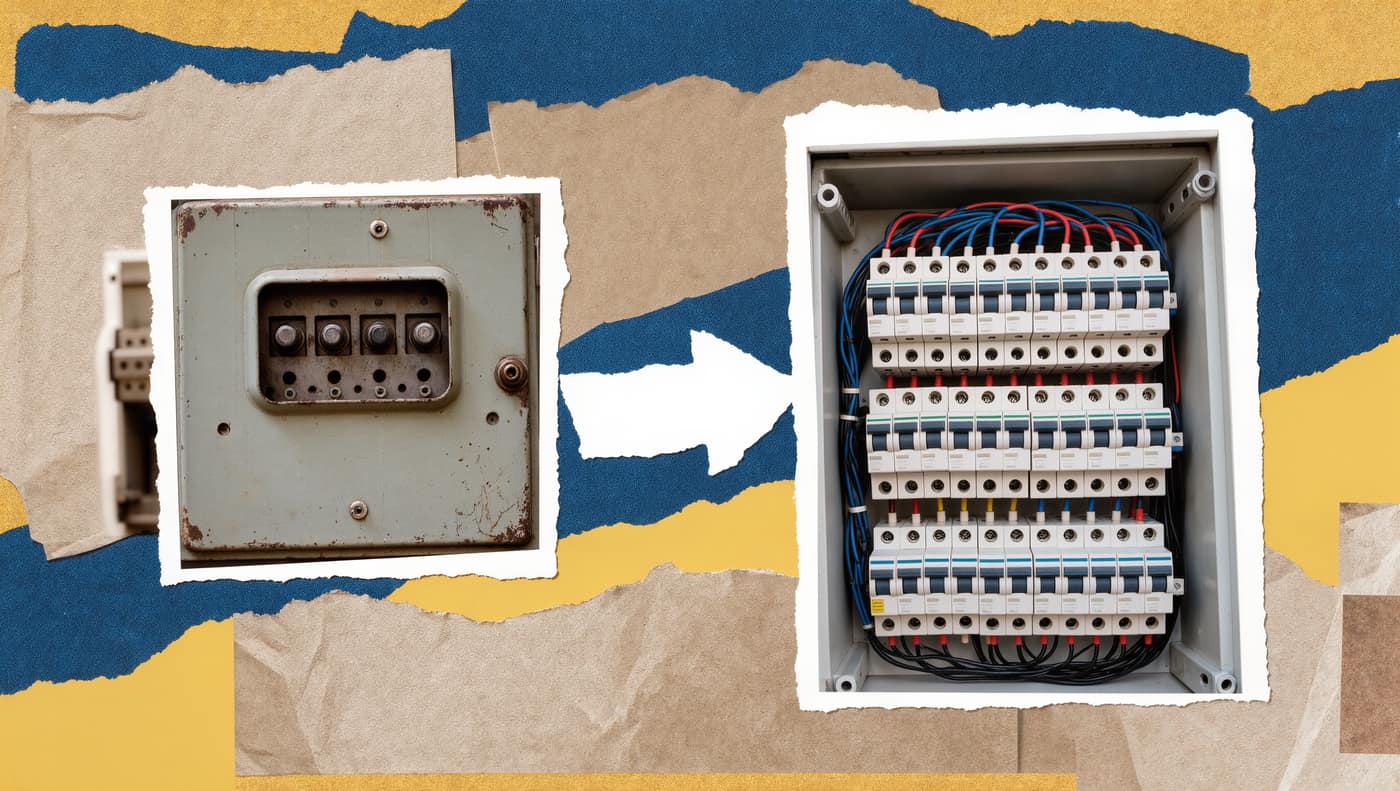
Electrical Panel Upgrade Cost in Phoenix: 100A vs. 200A (2026)
A same-size panel swap runs about $2,000–$4,000. Moving from 100 to 200 amps is usually $3,500–$6,500. Here's what you're paying for and how to tell which you need.
Read moreReady When You Are
Free estimates, upfront pricing, and licensed electricians who show up on time. Let's get it handled.