
GFCI vs. AFCI: What Those Buttons Actually Do
One protects you from shock. The other protects your house from fire. They're not interchangeable — and modern code wants both.

You've seen the little TEST and RESET buttons on outlets, and maybe on breakers in your panel. They're doing two very different jobs.
GFCI — Shock Protection
A GFCI (ground-fault circuit interrupter) watches for electricity leaking off its intended path — like through a person standing in water — and cuts power in milliseconds. That's why code requires them on outlets in kitchens, baths, garages, and outdoors.
AFCI — Fire Protection
An AFCI (arc-fault circuit interrupter) listens for the tiny, dangerous arcing of a loose connection or damaged wire — the kind that starts electrical fires — and trips before it ignites. Modern code requires them on most living-area circuits. Not sure what your home has? An electrical safety inspection tells you where you stand.
Frequently Asked Questions
Why does my GFCI outlet keep tripping?
Common causes are moisture in an outdoor or bathroom outlet, a worn-out GFCI, or an appliance with a small ground fault. If it trips again right after a reset with nothing plugged in, have the circuit checked.
Can one GFCI protect other outlets?
Yes. A GFCI wired at the start of a circuit protects every outlet downstream of it. That's why a bathroom outlet can go dead when a GFCI in another bathroom or the garage trips.
Do I have to add AFCI protection to an older home?
Not just because the home is older. Code generally requires it when circuits are added, extended, or replaced, such as during a remodel or panel replacement. Adding it to bedroom and living-area circuits is still a smart safety upgrade.
The Takeaway
GFCI = anti-shock. AFCI = anti-fire. Older homes often have neither where they're now required — an inspection tells you where you stand.
Need a hand with this?
Electrical Safety Inspection
Keep Reading
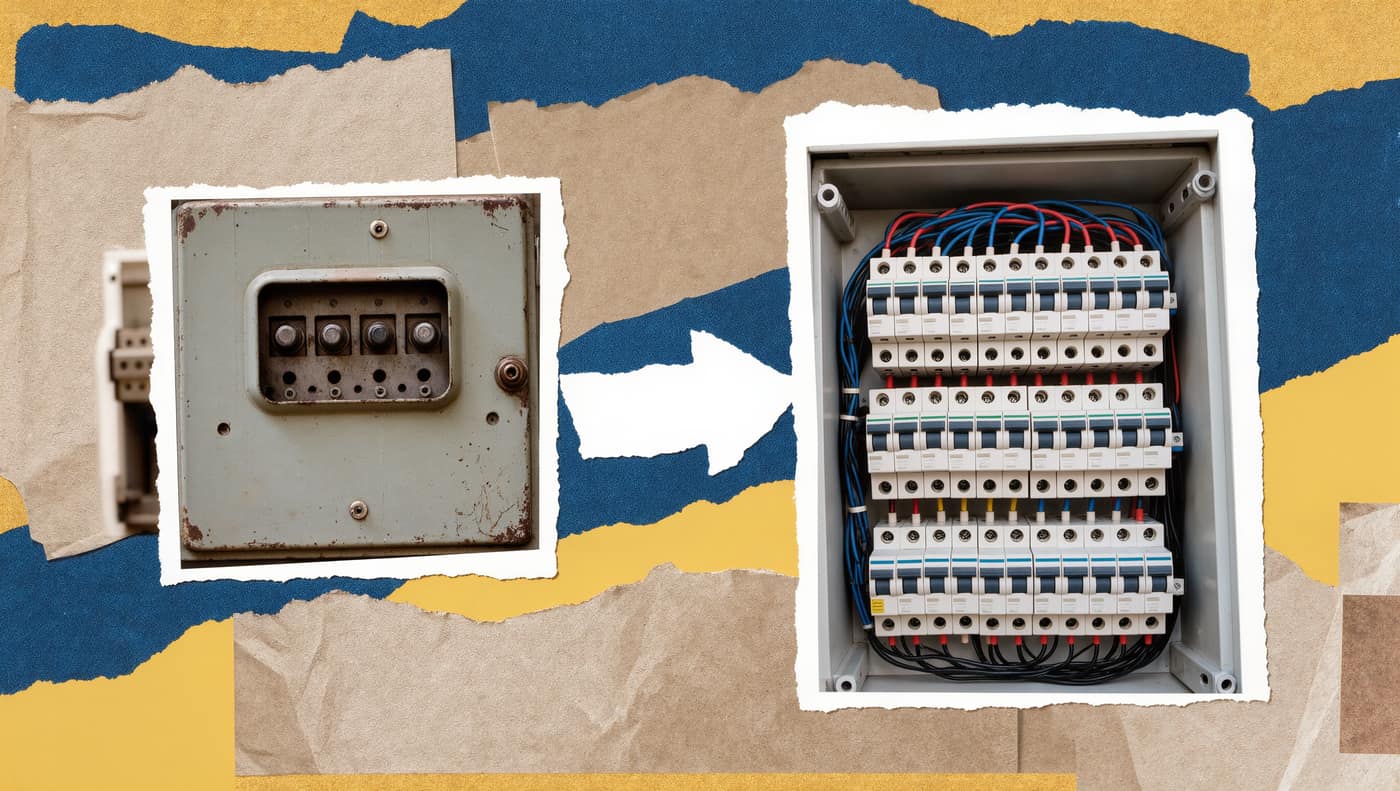
Electrical Panel Upgrade Cost in Phoenix: 100A vs. 200A (2026)
A same-size panel swap runs about $2,000–$4,000. Moving from 100 to 200 amps is usually $3,500–$6,500. Here's what you're paying for and how to tell which you need.
Read more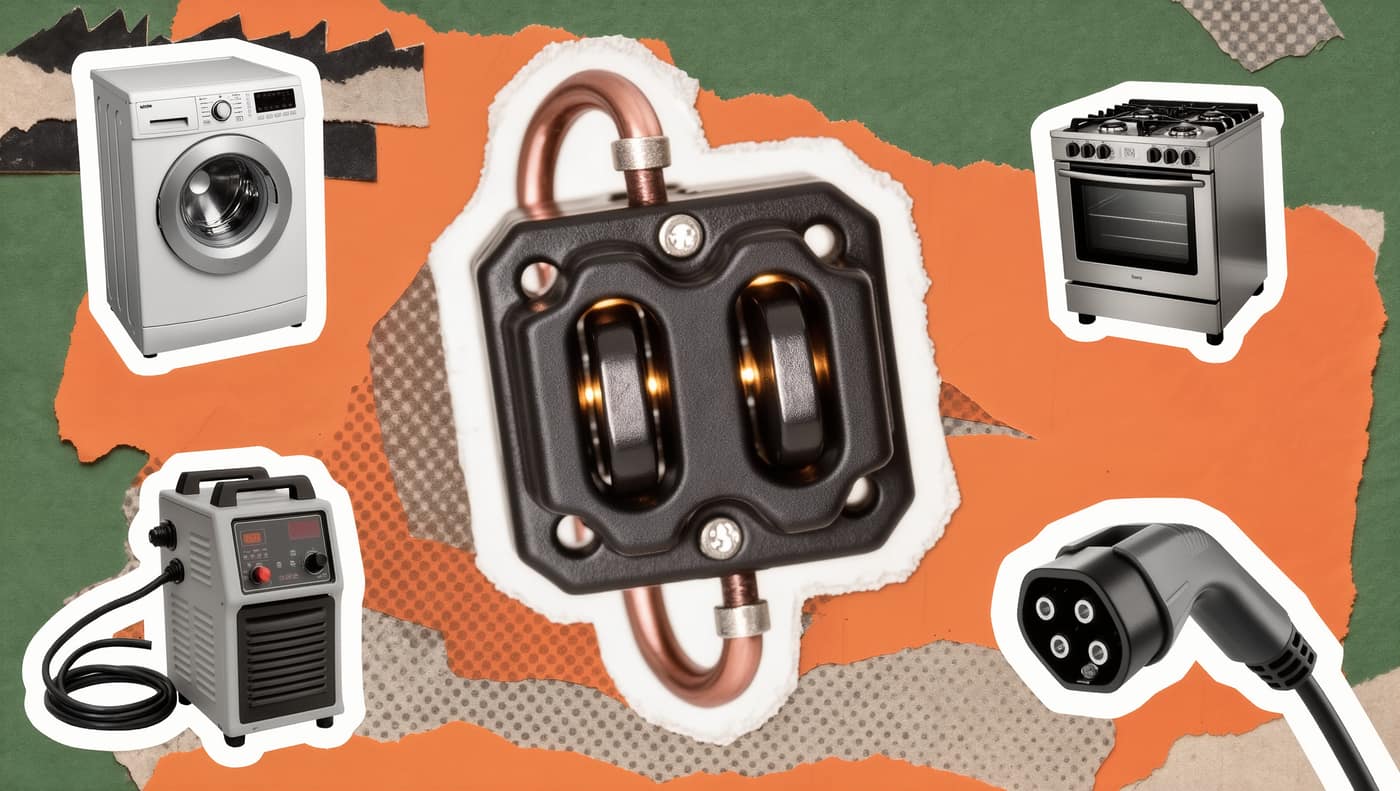
Do You Need a 240V Outlet? Dryers, Ranges, Shops, and EVs
Dryers, ranges, welders, and EV chargers all need 240 volts, but not the same outlet. Here's which one each needs, what it costs, and when hardwiring is the better call.
Read more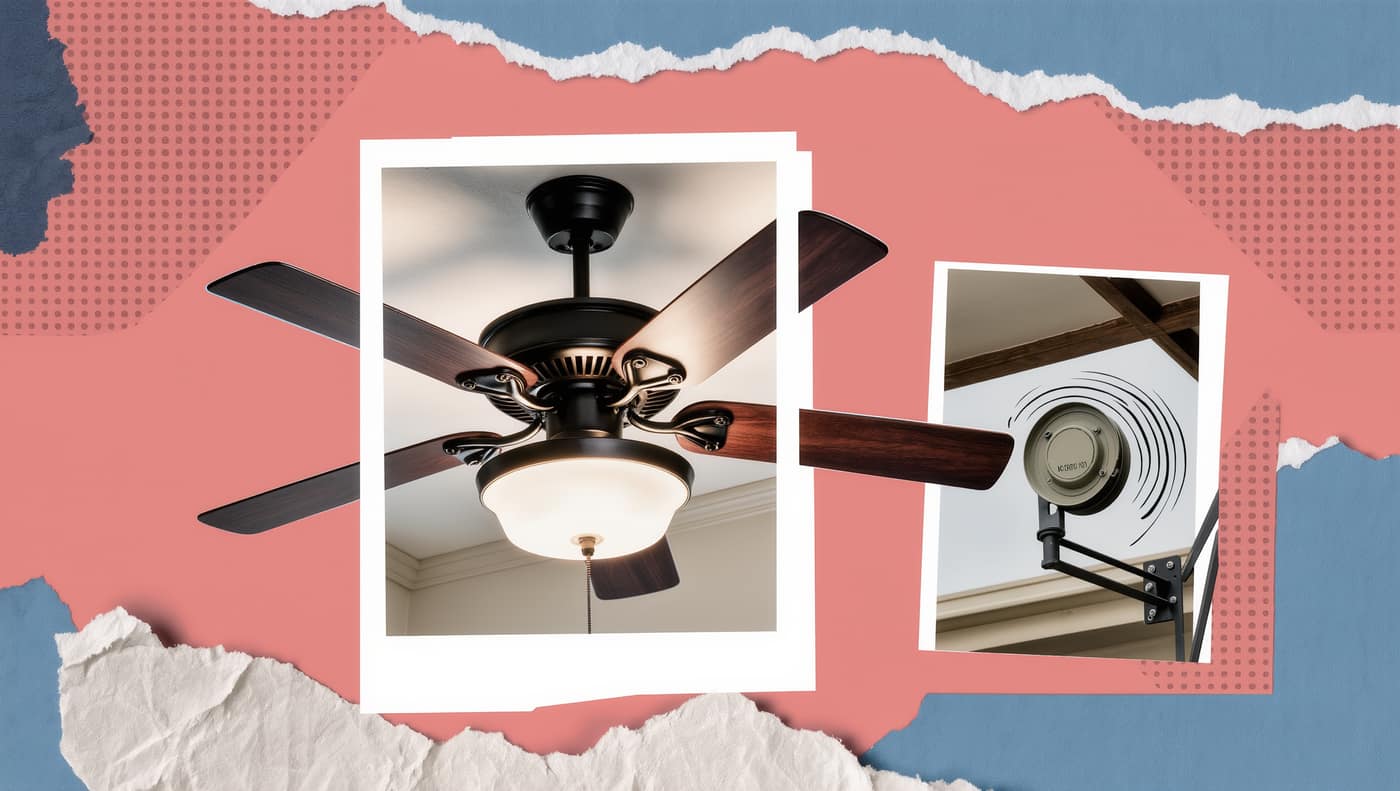
Ceiling Fan Installation: Can Your Ceiling Box Hold It?
Most light-fixture boxes aren't built to hold a spinning fan. Here's how to check yours, what a proper fan brace costs, and how to choose the right fan for a Valley room.
Read moreReady When You Are
Free estimates, upfront pricing, and licensed electricians who show up on time. Let's get it handled.