
Why Your Lights Dim When the AC Kicks On
That quick flicker every time the air conditioner starts isn't a ghost — it's your electrical system telling you something.
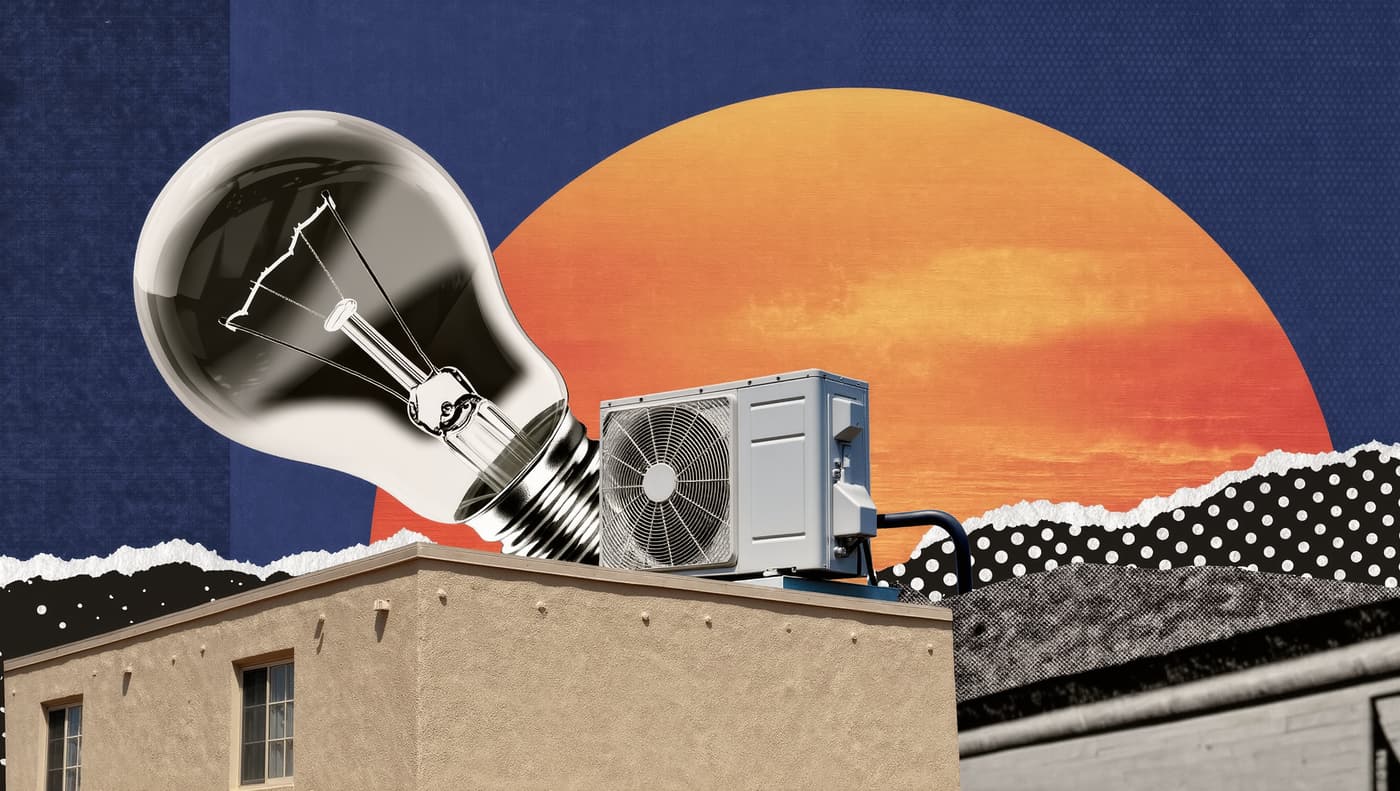
Here's the short version: an air conditioner pulls a big gulp of power the instant its compressor starts. For a fraction of a second, that inrush current drags down the voltage across your home — and your lights dip with it.
A tiny, brief flicker once in a while is usually normal. It's physics, not a fault.
When It's Worth a Look
The flicker becomes a warning sign when it's dramatic, when it happens on every appliance startup, or when lights visibly dim for a full second or more. That often points to an overloaded circuit, a loose connection, an undersized panel, or aging service that can't comfortably handle modern loads.
In older Phoenix homes running a modern AC — plus a pool pump, an EV charger, and everything else — the panel is frequently the bottleneck. A quick safety inspection pinpoints exactly where.
Frequently Asked Questions
Is it normal for lights to dim when the AC starts?
A slight dip that lasts a split second is normal. The compressor draws several times its running current for a moment at startup. Dimming that is deep, lasts a second or more, or happens with every appliance is worth having checked.
Can a soft-start kit stop the flicker?
Often, yes. A soft-start kit on the outdoor condenser ramps the compressor up gently and cuts the startup surge sharply. It's an inexpensive fix when the AC is the cause and the panel and wiring check out.
Do I need a panel upgrade if my lights dim?
Not always. The cause can be a loose connection, an overloaded circuit, or a problem on the utility side. An electrician can measure voltage drop and check connections to tell you whether a panel upgrade is actually needed.
The Takeaway
An occasional flicker is normal. Frequent, heavy dimming is your panel asking for help — and it's worth an inspection before summer.
Need a hand with this?
Electrical Panel Upgrades & Replacement
Keep Reading
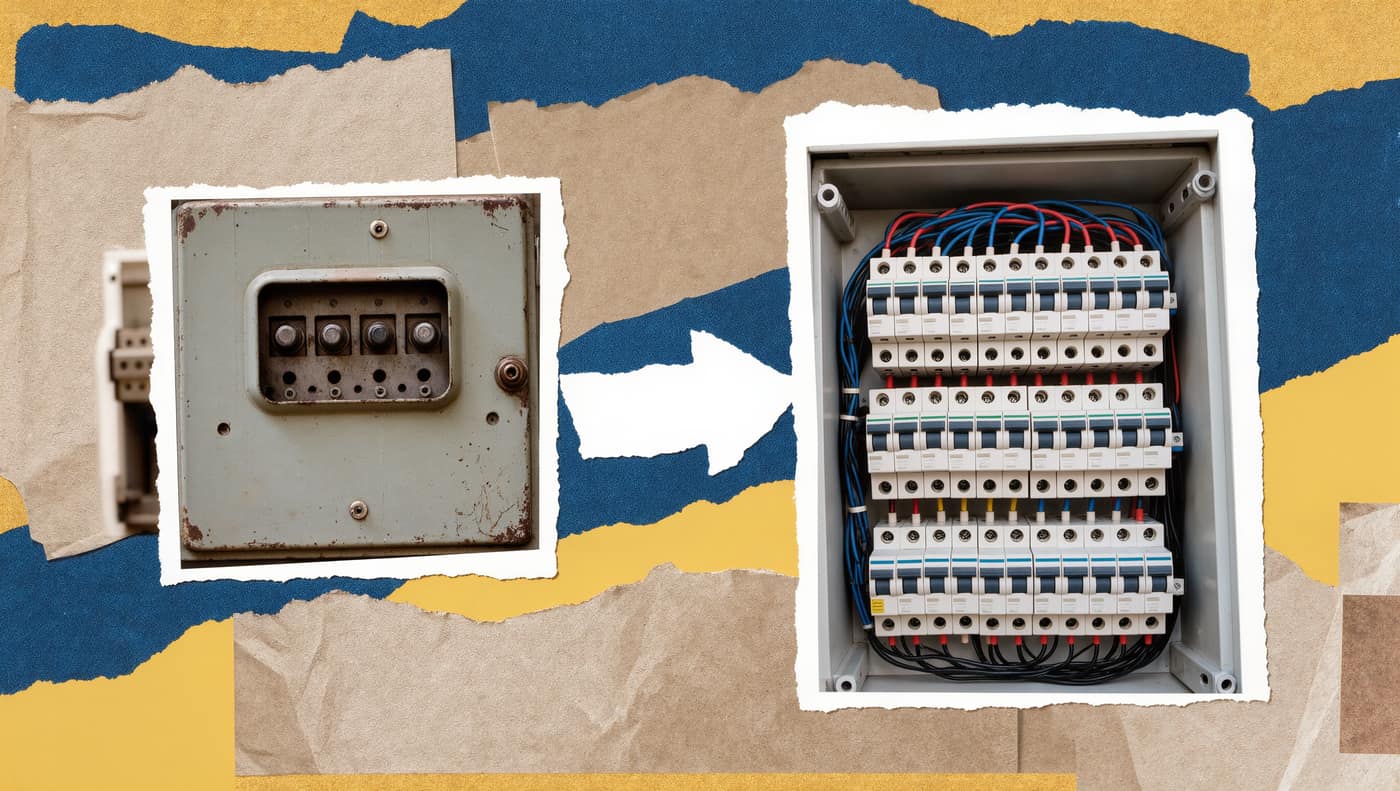
Electrical Panel Upgrade Cost in Phoenix: 100A vs. 200A (2026)
A same-size panel swap runs about $2,000–$4,000. Moving from 100 to 200 amps is usually $3,500–$6,500. Here's what you're paying for and how to tell which you need.
Read more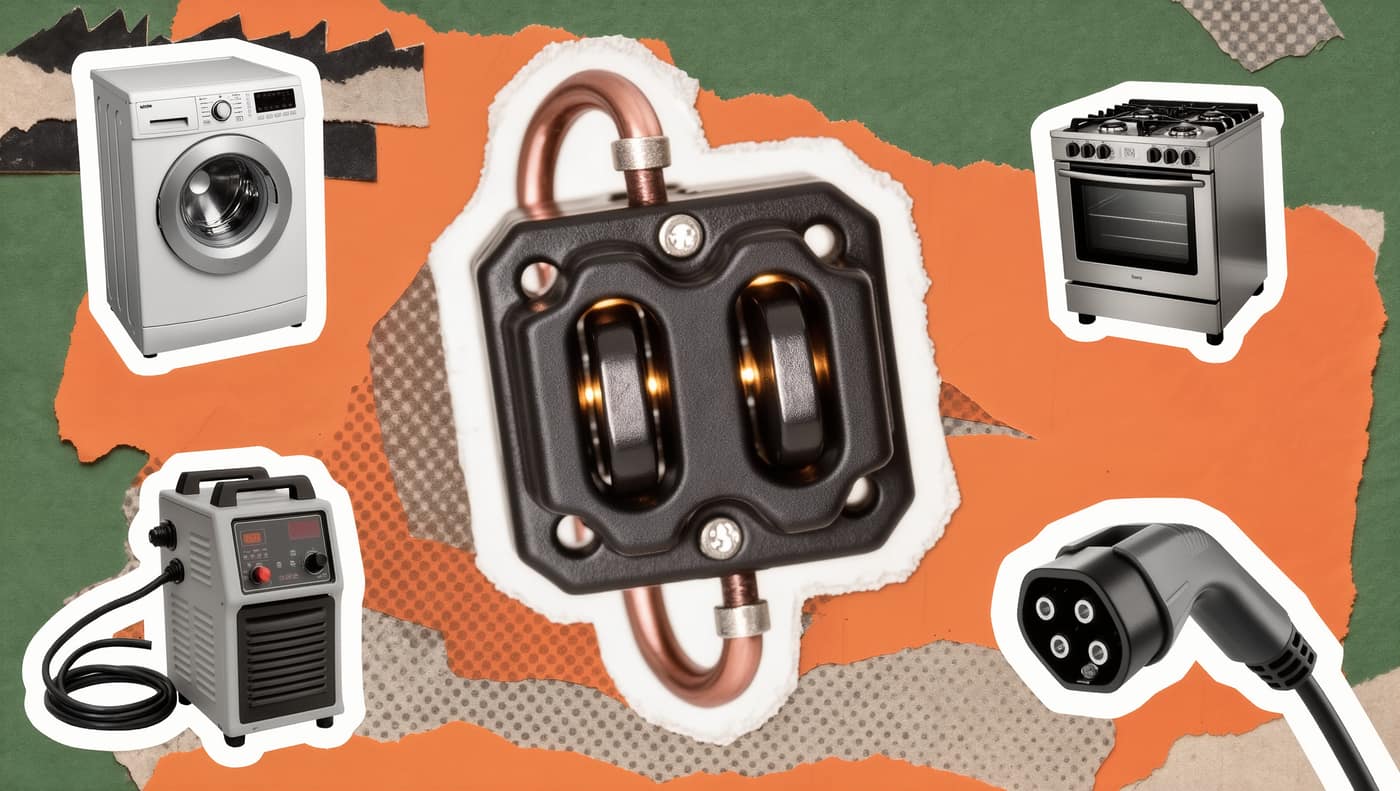
Do You Need a 240V Outlet? Dryers, Ranges, Shops, and EVs
Dryers, ranges, welders, and EV chargers all need 240 volts, but not the same outlet. Here's which one each needs, what it costs, and when hardwiring is the better call.
Read more
Ceiling Fan Installation: Can Your Ceiling Box Hold It?
Most light-fixture boxes aren't built to hold a spinning fan. Here's how to check yours, what a proper fan brace costs, and how to choose the right fan for a Valley room.
Read moreReady When You Are
Free estimates, upfront pricing, and licensed electricians who show up on time. Let's get it handled.