
Smoke and CO Detectors: Arizona Requirements, Testing, and When to Replace
Smoke alarms belong in every bedroom, outside each sleeping area, and on every level. CO alarms are needed if you have gas appliances or an attached garage. Replace both on schedule.
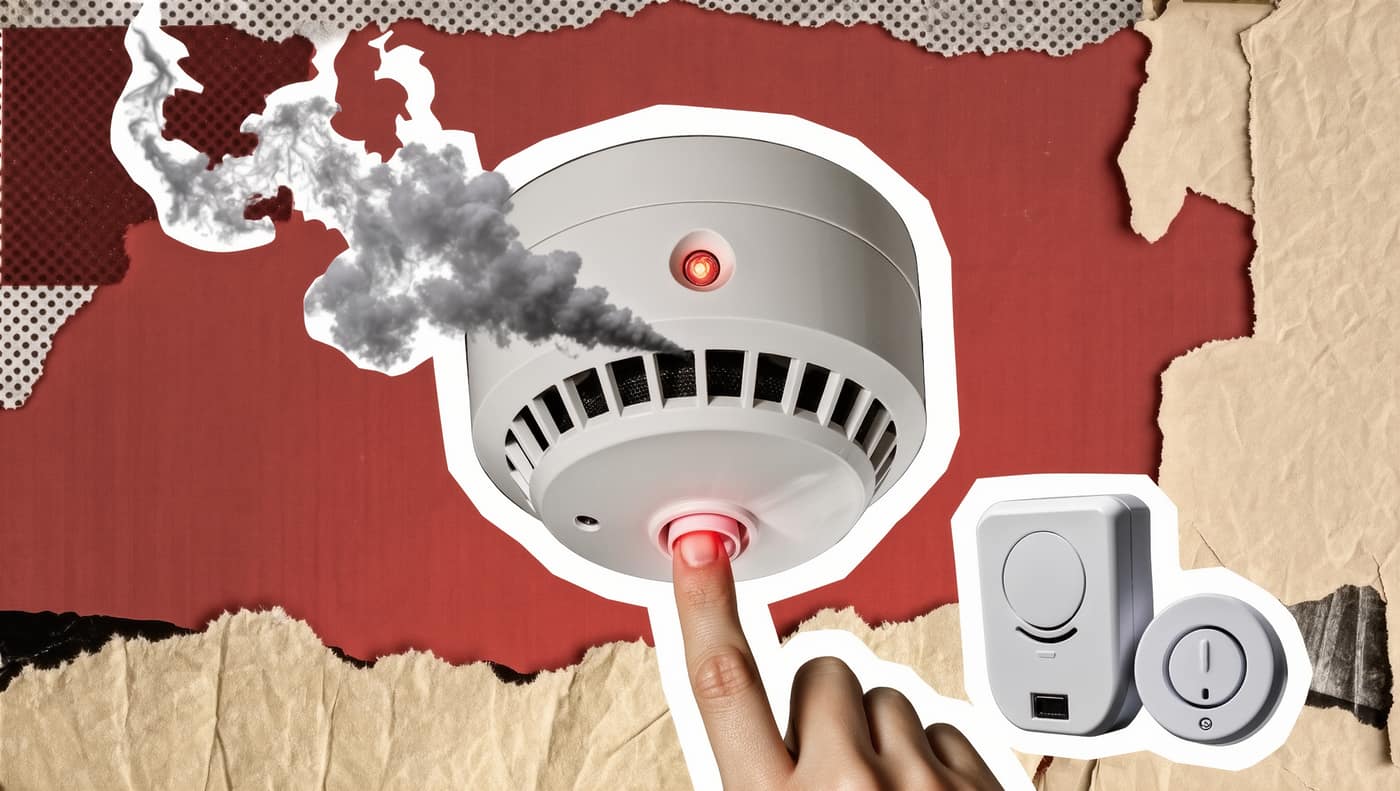
Here's the short version. Arizona leaves the details to local building codes, and Valley cities base theirs on the International Residential Code. Under those codes, smoke alarms go in every bedroom, outside each sleeping area, and on every level of the home. Newer homes need hardwired alarms with battery backup, interconnected so one sounds them all. Carbon monoxide alarms are required outside sleeping areas in homes with fuel-burning appliances or an attached garage, which describes most homes in the Valley.
Replace smoke alarms every 10 years and CO alarms every 7 to 10 years, following the date on the unit. Test them monthly. Here's what that looks like in practice.
Where Smoke Alarms Go
Inside every bedroom.
Outside each sleeping area, in the hallway or space near the bedroom doors.
On every level of the home, including finished basements and lofts.
Keep them at least 10 feet from cooking appliances to cut nuisance alarms, and away from bathroom doors, where shower steam can set them off. Don't install a standard smoke alarm in a garage or attic. Phoenix heat and exhaust fumes cause false alarms and shorten their life. Use a heat alarm there if you want coverage.
Where CO Alarms Go
Carbon monoxide is colorless and odorless, and it comes from anything that burns fuel: gas furnaces, water heaters, ranges, fireplaces, and running cars. That's why an attached garage counts even in an all-electric home.
Install CO alarms outside each sleeping area and on every level. Combination smoke and CO alarms cover both jobs in one device and are a clean way to upgrade.
Photoelectric, Ionization, or Both?
Photoelectric alarms respond faster to slow, smoldering fires, like a cigarette in a couch cushion or overheated wiring in a wall. They're also less prone to nuisance alarms from cooking.
Ionization alarms respond slightly faster to fast-flaming fires but are more prone to false alarms near kitchens.
For most homes, photoelectric alarms, or dual-sensor alarms that combine both, are the better choice. Many fire safety organizations recommend photoelectric technology, especially near kitchens and bathrooms.
Testing and Replacement
Test monthly. Press and hold the test button until the alarm sounds. On an interconnected system, every alarm in the home should sound.
Replace batteries yearly in alarms with replaceable batteries, or choose sealed 10-year-battery models.
Replace smoke alarms 10 years after the manufacture date printed on the back. Replace CO alarms per the manufacturer, usually 7 to 10 years. Many units chirp at end of life.
Chirping that a new battery doesn't stop usually means the alarm has reached end of life, not that the battery is bad.
When you replace hardwired alarms, match the brand's connector or swap the wiring harness. Mixing brands on one interconnect can keep the alarms from talking to each other.
What Installation Costs
Replacing existing hardwired alarms: typically $90 to $175 per alarm installed, including the new unit. Replacing a whole home's set in one visit lowers the per-alarm cost.
Adding new hardwired, interconnected locations: about $200 to $400 each, depending on attic access and wiring runs.
Wireless interconnected alarms: a good option where running new wire is difficult. They cost more per unit but less in labor.
These are planning ranges. A written price comes before any work starts.
Common Mistakes
Pulling the battery to stop a nuisance alarm, and forgetting to put it back.
Painting over an alarm or covering it during a remodel and leaving the cover on. Paint and dust clog the sensor.
Mounting it too close to a corner, an AC supply vent, or a ceiling fan. Moving air can push smoke away from the sensor. Keep alarms at least 3 feet from supply vents and fan blades.
Keeping alarms that are past their date because they still beep when tested. The test button checks the horn, not how well the sensor detects smoke.
Relying on a single alarm for the whole home. One alarm in a hallway won't wake someone behind a closed bedroom door.
Selling, Renting, or Remodeling
Home inspectors check for working alarms in the right places, and buyers' lenders sometimes require them. Landlords should check their city's rental requirements. Remodels and additions that need a permit usually trigger upgrades to current smoke and CO alarm requirements, so plan for them in the budget.
Smoke and CO Alarm Help Across the Valley
We install and replace hardwired, interconnected alarms through our smoke and carbon monoxide detector installation service across the Valley, including Phoenix, Sun City West, and Sun Lakes. Our electrical safety inspection also checks alarm locations, ages, and interconnection along with the rest of your system. For more ways to protect your home, read GFCI vs. AFCI: what those buttons do.
Frequently Asked Questions
Do I need a CO detector in an all-electric home?
If you have an attached garage, yes. A car running in the garage can push carbon monoxide into the home. With no fuel-burning appliances and no attached garage, CO alarms usually aren't required, but they're inexpensive protection.
Why does my smoke alarm go off for no reason?
Common causes are dust, insects, steam, cooking, an aging sensor, or a low battery. Alarms older than 10 years are frequent offenders and should be replaced.
Can I replace a hardwired smoke alarm with a battery one?
Not where the code required hardwired, interconnected alarms. Replace hardwired units with compatible hardwired units so the whole system keeps sounding together.
The Takeaway
Put smoke alarms in every bedroom, outside sleeping areas, and on every level. Add CO alarms if you have gas or an attached garage. Test monthly, and replace by the date on the back, not when they finally fail.
Need a hand with this?
Smoke & Carbon Monoxide Detector Installation
Keep Reading
How Much Does a Whole-Home Generator Cost in Phoenix?
Most Valley homeowners spend $9,000 to $18,000 for an installed standby generator. Here's what moves the number, and how to get AC-level backup without overbuying.
Read more
Breaker Keeps Tripping and Won't Reset? What It Means and What to Do Tonight
A breaker that trips the instant you reset it is telling you something specific. Here's how to read it, what you can safely try, and when to stop and call.
Read more
Electrical Panel Upgrade Cost in Phoenix: 100A vs. 200A (2026)
A same-size panel swap runs about $2,000–$4,000. Moving from 100 to 200 amps is usually $3,500–$6,500. Here's what you're paying for and how to tell which you need.
Read moreReady When You Are
Free estimates, upfront pricing, and licensed electricians who show up on time. Let's get it handled.