
How Much Does Permanent Roofline Lighting Cost in Phoenix?
Most permanent roofline systems are priced by the foot, roughly $20 to $40 installed. Here's what moves that number on a Valley home, and how it stacks up against hanging lights every November.
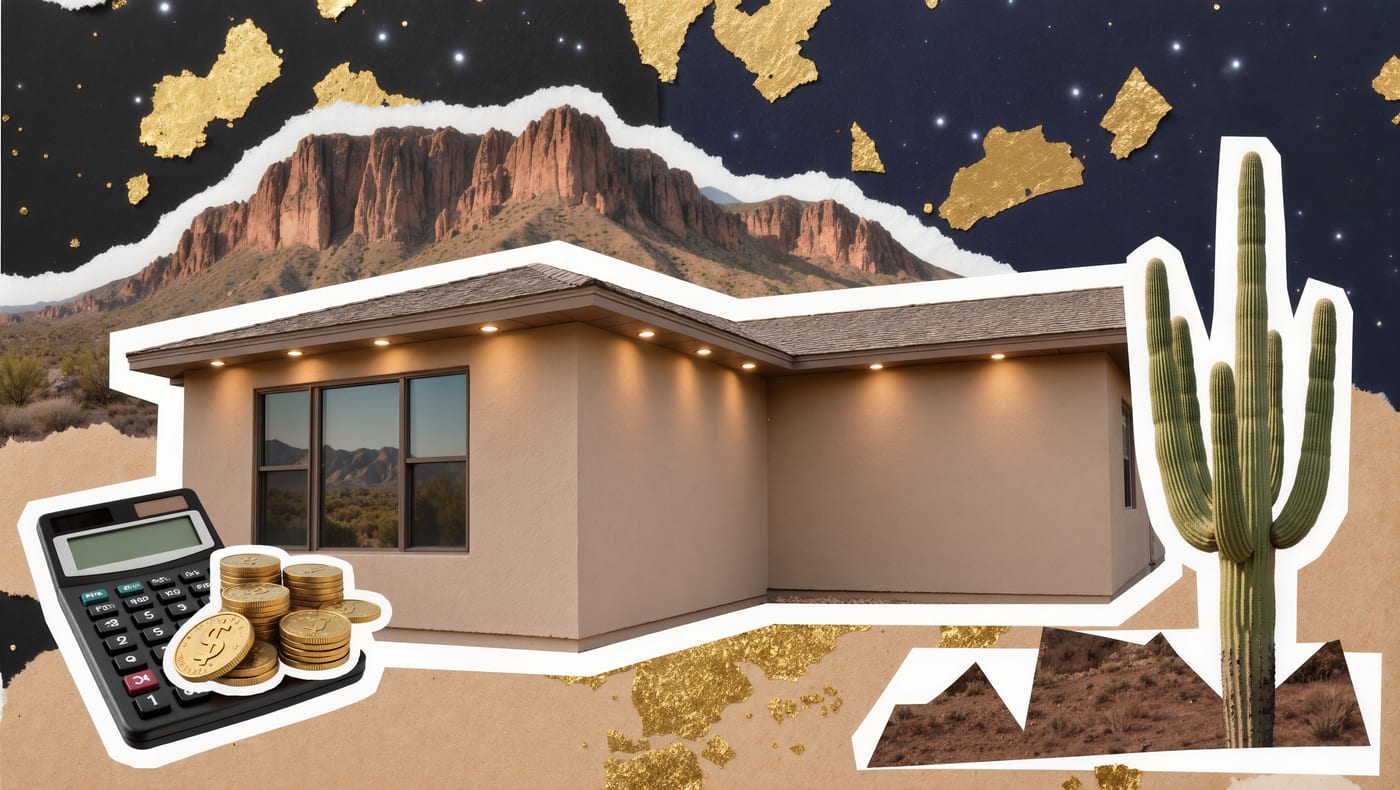
Short answer: permanent roofline lighting in the Phoenix area is usually priced by the linear foot of roofline, and most installed systems land somewhere around $20 to $40 a foot. A typical single-story Valley home with 150 to 250 feet of eave comes in roughly between $3,000 and $8,000, sometimes more. Two-story homes and busy tile rooflines cost more.
Those are planning numbers, not a quote. They exist so you can decide whether to keep reading or go back to the garage and untangle last year's lights. The rest of this guide explains where the money goes, which is the only honest way to compare one bid against another.
The Planning Numbers
Per foot: roughly $20 to $40 installed. The low end usually means a simple single-story run, easy access, and a straightforward controller. The high end usually means height, complexity, a premium system, or all three at once.
A single-story home with 150 to 250 feet of eave: roughly $3,000 to $8,000 or more. Most Valley ranch and tract homes fall in this band. The tape measure decides where.
Two-story homes and complex tile roofs: more. More ladder, more corners, more hours, and sometimes more power supplies to keep the color even from one end of the house to the other.
A firm price comes after someone walks the roofline, counts the corners, and finds the outlet. Anyone who quotes a final number from a satellite photo is guessing with confidence. It is still guessing.
Seven Things That Move the Price
1. Linear footage. This is the big one. Every foot gets track, LEDs, and labor. Measure the eaves you actually want lit. Plenty of homeowners skip the back of the house, where the only audience is the pool and a family of quail.
2. Stories and access. A single-story eave is a ladder job. A second story means taller ladders, more setup, and slower going. Sloped lots, tight side yards, and a block wall a foot from the house all add time.
3. Roof and fascia type. The Valley has three main characters. Tile roofs over a wood or stucco fascia are the most common and the most forgiving. Flat roofs with parapet walls, the Santa Fe and Pueblo staple, need their own mounting plan along the parapet. Stucco fascias need careful fastening and sealing so the track sits flat and water stays out.
4. Power supplies and runs. A long roofline gets split into runs, and each run needs power. More runs mean more power supplies, more wire, and more connections to seal.
5. Circuits and receptacles. If there's a usable outdoor outlet in the right spot, good. If not, the system may need a new weather-resistant GFCI-protected outdoor receptacle or a dedicated circuit from the panel. That's electrical work. It belongs with a licensed electrician, not with whoever happens to own the tallest ladder.
6. The controller. Every system comes with an app. Some add sunset scheduling, saved scenes, zones, music sync, or voice assistant support. Fancier controllers cost more. Whether you need them depends on how often you'll change the lights after the first giddy week.
7. DIY kit or professional install. This one deserves its own section.
Kits vs. Professional Installs
Plenty of brands sell permanent lighting. Some, like Govee permanent outdoor lights, are sold as kits you install yourself. Others, like JellyFish Lighting, are generally sold through installers. A kit costs less up front. That is its whole argument, and it is a real one.
The trade-off is in the details. A kit puts you on a ladder for a weekend, fastening track to a stucco fascia that was not designed with your Saturday in mind. It usually plugs into the nearest outlet, which may already run the fountain and the patio fan. When an adhesive clip lets go in August, it's your ladder again.
A professional system goes in with fastened, color-matched track, power planned around the roofline instead of the nearest outlet, and connections sealed against dust and monsoon rain. You pay for that. You also stop thinking about it, which is the point of the word permanent.
The Bill That Comes Back Every November
The alternative to permanent lights is not free lights. It is a seasonal installer, or you, every single year.
Hiring a holiday lighting crew is a recurring expense. They come in November, they come back in January, and the bill resets the following fall. Many services lease you the lights, so at the end of the season you own nothing but the photos. Do it yourself and the cost moves from your wallet to your weekends: the ladder, the clips, the extension cords across the driveway, and the one strand that worked in the garage and died on the roof.
Permanent lighting front-loads the cost. You pay once, and the lights are ready for Christmas, the Fourth of July, game days, birthdays, and an ordinary Tuesday. Over several seasons the math tends to tilt toward permanent, depending on what you spend now. We lay out the full comparison in permanent vs. seasonal Christmas lights.
Paying for It
We offer 0% financing on approved credit, so a roofline project can be spread out instead of paid in one lump. Every Bleuwave quote is upfront and flat-rate. You see the price before we start, and it doesn't grow on install day.
One more planning tip: price the whole roofline, then decide what to light. Sometimes the front elevation and the garage carry the entire effect, and the side yards can wait for next year's budget.
Get a Real Number
Bleuwave installs permanent, app-controlled, color-programmable LED systems in a slim track under the eave, color-matched to your fascia. Power supplies go on dedicated GFCI-protected circuits. Connections are sealed. Most installs take one day. We're a licensed electrical contractor (ROC #340021), insured and bonded, veteran-owned, rated 4.7 stars on Google, and backed by a 100% satisfaction guarantee.
See what it looks like on our permanent roofline lighting page, then request a free roofline quote or call (480) 863-5910. Bring your questions. We'll bring the tape measure.
Frequently Asked Questions
Is permanent roofline lighting priced per foot?
Usually, yes. Most systems are priced by the linear foot of roofline, with adjustments for height, roof type, power supplies, and any electrical work. A walk-around measurement turns the per-foot range into a written price.
Do I need a new circuit for permanent lights?
Sometimes. A properly located outdoor GFCI outlet with capacity to spare may work. If not, a dedicated circuit is the cleaner answer. We check during the estimate so it shows up on the quote, not as a surprise.
How long does installation take?
Most single-story homes take one day. Larger homes, two-story homes, or jobs that need a new circuit can take longer. The lights are working before we leave.
Is it worth the money?
For people who decorate every year or want everyday accent lighting, often yes. For someone who decorates once a decade, maybe not. We give the honest version in is permanent roofline lighting worth it.
Do you install outside Phoenix?
Yes. We install across the Valley, including permanent roofline lighting in Scottsdale and Gilbert.
The Takeaway
Plan on roughly $20 to $40 per foot installed, or about $3,000 to $8,000+ for a typical single-story Valley home. Get the roofline measured and the power planned before you compare bids.
Need a hand with this?
Permanent Roofline Lighting
Keep Reading
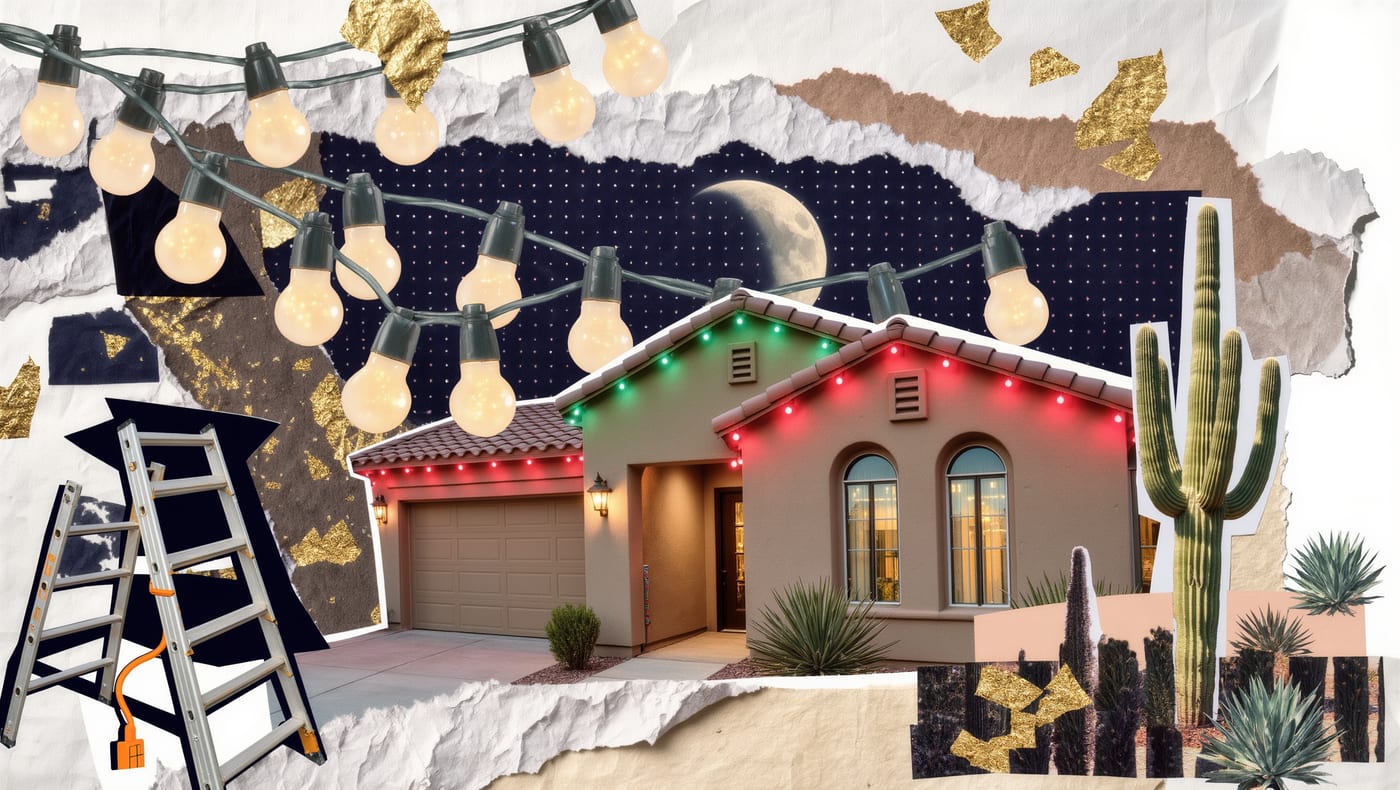
Permanent vs. Seasonal Christmas Lights: Which Makes Sense in Arizona?
Seasonal lights are cheaper this year. Permanent lights tend to win over several years, and they never send you up a ladder in December. Here's the honest comparison for Valley homes.
Read more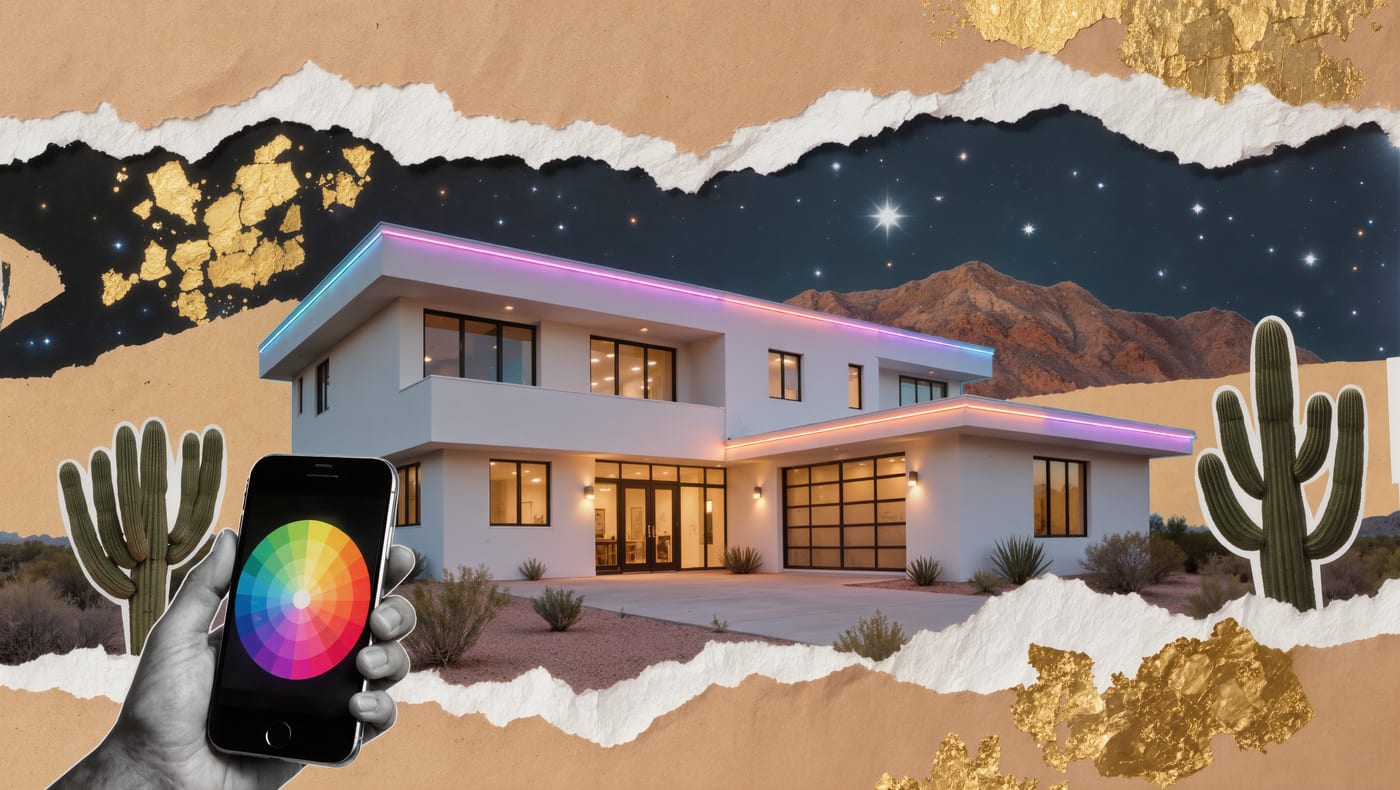
Is Permanent Roofline Lighting Worth It? An Honest Answer
For some homes it's the best exterior upgrade in years. For others it's an expensive night-light. Here's how to tell which house is yours, and how to choose an installer if the answer is yes.
Read more
Recessed Lighting Installation: Cost, Layout, and Mistakes to Avoid
Retrofit recessed lights usually run $150–$350 each in the Phoenix area. Where you put them matters as much as what you pay. Here's how to get both right.
Read moreReady When You Are
Free estimates, upfront pricing, and licensed electricians who show up on time. Let's get it handled.